Harvard Custodians Secure Historic Labor Agreement with Major Wage Gains
In a landmark decision, custodial staff at Harvard University have overwhelmingly ratified a new four-year contract with the Service Employees International Union (SEIU) 32BJ, bringing to a close nearly six months of intense and often contentious negotiations. The agreement, reported by The Harvard Crimson, represents a significant victory for campus workers, featuring the most substantial wage increase for Harvard custodians in two decades.
Smooth Ratification Process Across Multiple Campus Locations
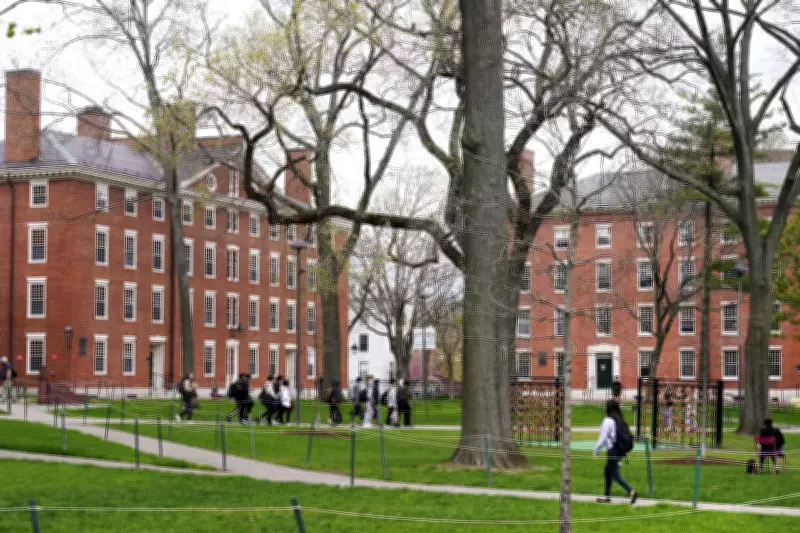
The ratification vote was conducted via paper ballots at various worksites throughout the Harvard system, including Harvard Yard and graduate schools, with polling stations operational from morning through evening over Monday and Tuesday. Union officials reported strong participation, describing the process as proceeding "very smoothly" according to Kevin Brown, executive vice president of 32BJ.
While exact vote totals or percentages were not released in line with longstanding union policy, Brown noted that members displayed enthusiasm for participating in union democracy. Shop stewards played a crucial role as intermediaries, explaining contract details during voting and will continue to guide members through implementation.

Major Contract Terms: Wage Increases and Benefit Security
The newly ratified agreement includes several key provisions that address long-standing worker concerns:
- Wage Increases: Custodians will receive a $4 hourly wage increase over four years, raising pay from $28.68 in 2026 to $32.68 by 2029. This represents the largest pay increase for Harvard custodians in twenty years.
- Ratification Bonus: Workers will receive a $500 ratification bonus, approximately half of the $1,000 initially proposed by Harvard in February.
- Healthcare Benefits: Healthcare benefits remain fully funded, a core union priority, even as health plan costs continue to rise.
These provisions collectively reflect a strong commitment to worker security and long-term stability for custodial staff across Harvard's campuses.
Immigration Protections and Legal Provisions
The contract introduces new language addressing immigration enforcement, ensuring safeguards for workers who might be removed from their jobs by authorities. While earlier union proposals for access to immigration lawyers and a legal defense fund were not included in the final agreement, Brown emphasized that ensuring Harvard's compliance with immigration provisions will be a key focus during implementation.
This aspect of the contract highlights the union's ongoing commitment to protecting vulnerable employees and upholding worker rights in challenging circumstances.
Challenging Negotiation Process and Community Support
The bargaining period spanned nearly six months and was described as "tumultuous" by union leaders. The process included a two-day strike and the involvement of a federal mediator to help resolve differences between the parties.
Brown acknowledged that strong support from Harvard students and the broader campus community "made a huge difference in us being able to achieve this remarkable agreement." This community backing proved instrumental in reaching a resolution that addresses worker concerns while maintaining operational continuity.
Looking Ahead: Implementation and Future Impact
With ratification complete, both the union and Harvard custodians are now focused on implementing the contract terms, ensuring that wage increases, bonus payments, and healthcare benefits are delivered as agreed upon. Shop stewards will continue serving as the vital bridge between union leadership and members, helping clarify questions and monitor compliance with the agreement.
The new contract represents a historic achievement for campus workers, combining significant pay raises, benefits security, and protections for vulnerable employees. This agreement sets an important precedent for labor relations at academic institutions and demonstrates the power of collective bargaining in achieving meaningful improvements for workers.