JNU Vice Chancellor's Podcast Remarks on Dalits and Affirmative Action Ignite Controversy
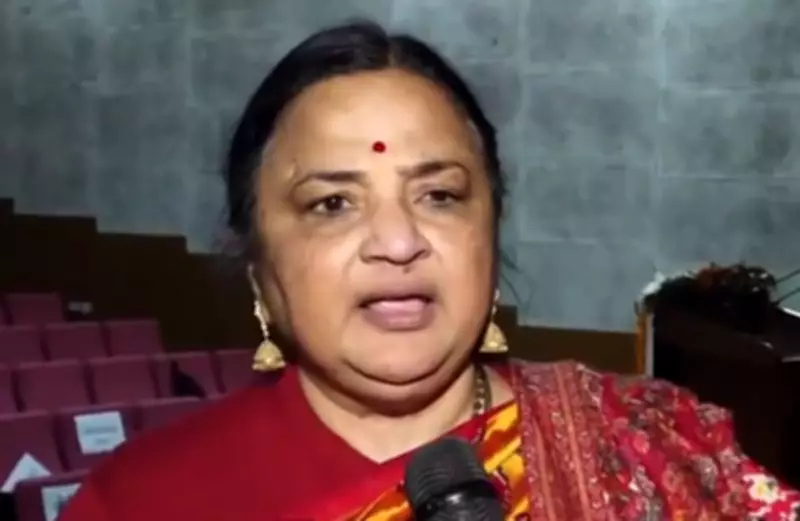
Santishree Dhulipudi Pandit, the Vice Chancellor of Jawaharlal Nehru University (JNU), is facing significant backlash following her recent comments in a podcast interview. The controversy centers on her remarks regarding Dalits and affirmative action policies in India, which have sparked protests and calls for an apology from various student groups and activists.
Details of the Podcast Comments
In the podcast, Pandit reportedly questioned the effectiveness and necessity of affirmative action measures, such as reservations, for Dalit communities. She suggested that these policies might not be achieving their intended goals and could be revisited or reformed. Her statements have been interpreted by critics as undermining the historical struggles and rights of Dalits, who have long faced systemic discrimination and social exclusion.
The Vice Chancellor's remarks have drawn sharp criticism from students, faculty members, and social justice advocates. Many argue that her comments reflect a lack of understanding of the deep-rooted inequalities and the ongoing need for protective measures to ensure equal opportunities for marginalized groups.

Reactions and Protests at JNU
In response to the podcast, student organizations at JNU, including the Dalit Students' Union and other left-leaning groups, have organized protests on campus. They are demanding an immediate apology from Pandit and a retraction of her statements. Protesters have highlighted that such remarks from a high-ranking academic leader could perpetuate harmful stereotypes and weaken the fight against caste-based discrimination.
Faculty members have also expressed concern, with some calling for a dialogue to address the issue and ensure that the university upholds its commitment to social justice and inclusivity. The controversy has reignited debates on the role of affirmative action in Indian education and society, with many emphasizing its importance in promoting diversity and equity.
Broader Implications and Calls for Accountability
This incident has broader implications for higher education institutions in India, particularly regarding leadership and sensitivity to social issues. Critics argue that Pandit's comments could alienate Dalit students and undermine trust in the university's administration. There are growing calls for accountability and for educational leaders to be more mindful of their public statements on sensitive topics.
As the backlash continues, the JNU administration has yet to issue an official statement addressing the controversy. The situation remains tense, with ongoing protests and discussions about the future of affirmative action policies in the country.