JNU Vice-Chancellor Granted Unlimited Discretionary Power Over Campus Housing
New Delhi: In a significant administrative shift, the vice-chancellor of Jawaharlal Nehru University (JNU) now possesses complete and unrestricted authority over on-campus faculty accommodation. This change follows amendments to university housing rules that eliminated the previous cap on the VC's discretionary quota, effectively granting the vice-chancellor the final say regarding who resides within the residential university campus.
Rule Amendments Passed Amid Dissent
The controversial amendments were approved by the university's executive council, though not without opposition. According to official documents reviewed by Times of India, the executive council sanctioned modifications to Rule 8.3 of the House Allotment Rules in August of last year. Previously, this rule permitted the vice-chancellor to allocate up to 5% of housing vacancies—equivalent to one in every twenty vacancies across all staff housing categories—at her discretion.
Under established government regulations, such "out-of-turn" discretionary allotments are typically allowed only on specific grounds, including medical necessity, security concerns, or functional requirements, and are traditionally limited to 5% of annual vacancies. The newly amended rule, however, empowers the VC to assign houses to teaching staff on a case-by-case basis without any upper limit whatsoever.

Expanded Quotas for Non-Teaching Staff
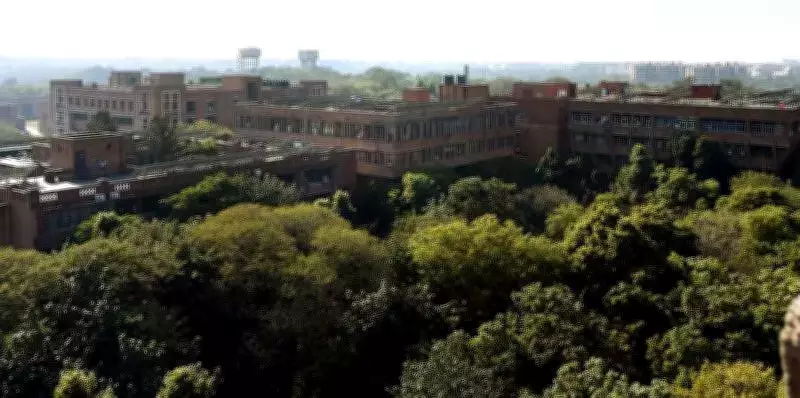
For non-teaching employees, the discretionary quota has been substantially increased from the previous 5% to 10% for type-zero through type-III staff quarters. JNU maintains approximately 470 staff residences across various categories. This housing inventory includes about 38 type-VI houses, 85 type-V units, 85 type-IV flats, along with nearly 90 additional units in residential towers, roughly 100 transit houses, and around 72 warden flats.
While types V and VI housing accommodate both teaching and non-teaching staff based on a common seniority list, type-IV flats reserve a 25% share specifically for non-teaching employees. The university currently has a faculty strength of approximately 700 against a sanctioned strength of 936. Notably, only about 350 faculty members—just over half of the existing staff—reside on campus, making housing a critically scarce resource in a city where off-campus rentals are notoriously expensive and limited.
Understanding JNU Housing Categories
In simpler terms, the housing categories function as follows:
- Type-zero to Type-III quarters: Primarily designated for non-teaching staff, with increasing size and facilities across the categories.
- Type-IV flats: Allotted to faculty members and a portion of non-teaching staff.
- Types V and VI units: Larger accommodations generally reserved for senior faculty and university officers.
- Transit houses: Temporary accommodations intended for short-term stays.
- Warden flats: Attached to student hostels and reserved for wardens performing residential duties.
- Senior Resident Unit housing: Specifically for retired faculty who are re-employed by the university.
Strong Objections from Faculty Association
The amendments have provoked sharp criticism from the Jawaharlal Nehru University Teachers' Association (JNUTA). The association had previously written to the President of India, who serves as the Visitor to the university, expressing concerns about what it described as a troubling pattern of power concentration within the vice-chancellor's office.
In its letter, JNUTA argued that removing limits on discretionary housing allotments violates established government norms and could enable "pick and choose" practices. The association warned that such unilateral power could potentially undermine academic freedom and institutional autonomy, creating an environment where housing decisions might be influenced by factors other than merit or need.

The vice-chancellor has not responded to media inquiries regarding these changes. The development marks a pivotal moment in JNU's administrative governance, with significant implications for faculty welfare and campus living dynamics in one of India's premier educational institutions.