Federal Judge Temporarily Halts Trump Administration's University Admissions Data Collection
A federal judge in Boston has issued a preliminary injunction, temporarily halting the Trump administration's aggressive push to collect detailed admissions data from universities. This move aims to verify compliance with the Supreme Court's 2023 decision that struck down affirmative action and banned race-based admissions practices.
Court Ruling Criticizes Procedural Lapses in Data Demand
U.S. District Judge F. Dennis Saylor IV granted the preliminary injunction on Friday, siding with a coalition of 17 Democratic state attorneys general who challenged the federal directive. The order specifically applies to public universities within the plaintiff states, providing them with immediate relief from the data collection requirements.
While acknowledging that the federal government likely possesses the authority to request such admissions data, the court found the implementation to be deeply flawed and procedurally deficient. Judge Saylor noted that the administration imposed an unrealistic 120-day deadline, which resulted in what he described as a "rushed and chaotic" rollout. This compressed timeline effectively prevented meaningful consultation with educational institutions, undermining the process.

The ruling also delivered sharp criticism toward the National Center for Education Statistics (NCES) for failing to adequately engage universities during the crucial notice-and-comment process. These procedural lapses raised significant concerns about the fairness and legality of the data collection effort.
States Cite Privacy Risks and Compliance Burden
The lawsuit brought by the coalition of states argued forcefully that the extensive data collection effort could compromise student privacy and expose institutions to unwarranted federal scrutiny. The plaintiffs contended that universities were not given sufficient time to compile and report the extensive datasets required, which include disaggregated information on applicants, admitted students, and enrollees by race and sex.
During court proceedings, plaintiffs' counsel argued that the directive appeared more focused on uncovering potential violations rather than ensuring genuine compliance. They warned that the policy would create substantial operational challenges for institutions, diverting resources from educational missions to bureaucratic compliance.
Policy Tied to Affirmative Action Enforcement
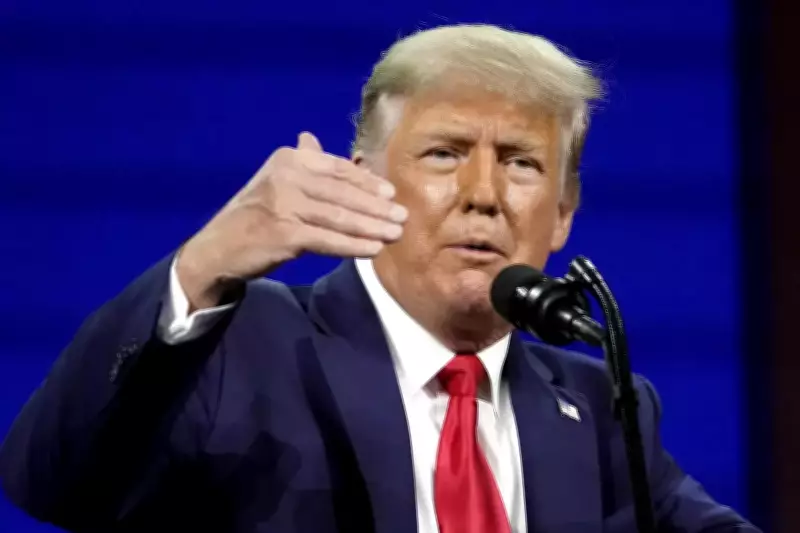
The data collection order stems directly from President Donald Trump's August directive, issued amid concerns that universities might be using indirect methods—such as personal essays—to factor race into admissions decisions. This policy followed the Supreme Court's landmark 2023 ruling, which prohibited the explicit use of race in admissions while still allowing applicants to discuss how race has influenced their personal experiences.
Under the contested policy, colleges were required to submit retrospective data spanning seven years, with non-compliance potentially triggering penalties under Title IV of the Higher Education Act. Such penalties could affect institutions' access to critical federal student aid programs, creating significant financial pressure.
Broader Pressure on Elite Institutions
The Trump administration has defended the data collection move as necessary for ensuring transparency in federally funded institutions. In related developments, similar data-sharing requirements have been part of settlement agreements with prestigious universities like Brown University and Columbia University. These agreements allowed the institutions to restore federal research funding in exchange for disclosures and compliance audits.
In a parallel legal action, the administration has also sued Harvard University over similar data demands. Federal officials have warned that Harvard could face serious legal consequences if it fails to comply within stipulated timelines, indicating the administration's broader strategy to enforce compliance across elite educational institutions.