

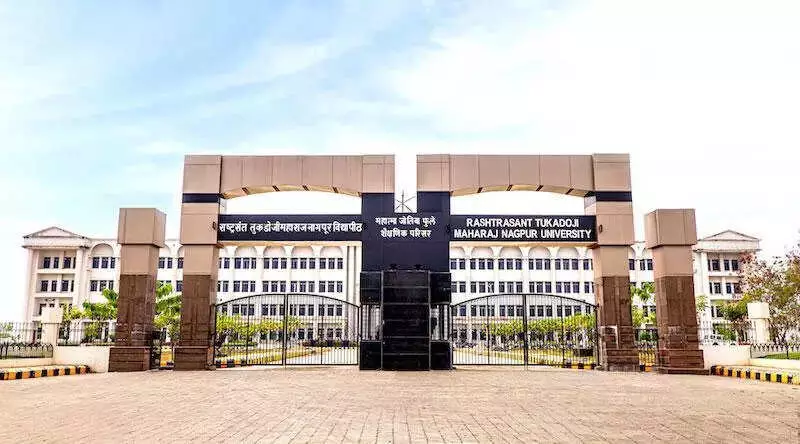
Nagpur University (NU) is grappling with significant delays in its winter examination schedule, a situation that has sparked strong criticism from its senate members. The university administration has pointed to a major dispute with a former service provider over student data as the primary cause of the disruption.
Examination Schedule in Disarray
According to the official academic calendar, Nagpur University's winter examinations were supposed to begin in October and be completed by now. However, this timeline has been severely derailed. So far, only backlog examinations have been conducted, while tests for regular students are only just beginning, marking a substantial delay from the planned schedule.
Root Cause: A Dispute Over Student Data
During a recent senate meeting where members voiced their displeasure over the administrative irregularities, Vice-Chancellor Dr. Manali Kshirsagar explained the technical hurdles behind the delay. She stated that the university had changed its examination service provider this year through a tender process.

The core issue, however, lies with the previous agency. The former provider continues to hold the complete student database and has refused to hand it over to the university. In response, NU has withheld pending payments estimated to be between ₹60 and ₹70 lakh owed to the company.
This lack of data has forced the new agency to manually enter all student information into the system—a labor-intensive and time-consuming process that has directly contributed to the postponement of regular examinations.
IT Infrastructure Identified as a Critical Gap
Dr. Kshirsagar highlighted a systemic weakness within the university's setup. She emphasized that a robust and active Information Technology (IT) cell is crucial for the smooth conduct of exams and the timely issuance of certificates.
The Vice-Chancellor admitted that the university currently lacks a sanctioned post for a director in its IT cell. This absence has created both technical and administrative bottlenecks, hampering efficient operations.
Addressing the senate's concerns, Dr. Kshirsagar assured that appointing a permanent director for the IT cell and allocating adequate funds to strengthen the department are now top priorities for the administration. The move is seen as essential to prevent similar crises in the future and to modernize the university's examination framework.






