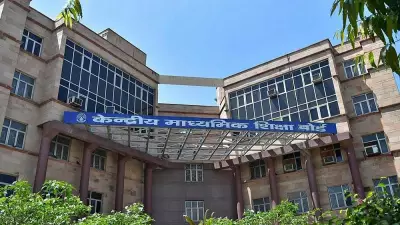
The academic corridors of Punjabi University in Patiala are witnessing a significant confrontation between the institution's administration and its teaching faculty. The Punjab University Teachers Association (PUTA) has found itself at loggerheads with the university authorities over the implementation of mandatory plagiarism checks for faculty promotions. This dispute highlights a growing tension between academic autonomy and institutional oversight in higher education.
Roots of the Conflict
The core of the disagreement stems from the university's recent directive that makes plagiarism detection software checks compulsory for all faculty members seeking promotions. According to sources, this policy requires educators to submit their research publications and academic work for thorough scrutiny using specialized software designed to identify instances of plagiarism. The university administration argues that this measure is essential to uphold academic integrity and ensure the originality of scholarly contributions.
PUTA's Concerns and Objections
The Punjab University Teachers Association has raised several objections to this new requirement. PUTA representatives contend that the policy lacks proper consultation with the teaching community and fails to consider the practical challenges faced by faculty members. They argue that the implementation of such checks could potentially delay promotion processes and create unnecessary bureaucratic hurdles for deserving candidates.

Key concerns expressed by PUTA include:
- The absence of clear guidelines regarding acceptable similarity percentages
- Lack of transparency in the evaluation process
- Potential for subjective interpretation of plagiarism results
- Inadequate infrastructure and training for proper implementation
University's Stance on Academic Standards
Punjabi University officials maintain that the plagiarism check requirement aligns with global academic standards and is necessary to maintain the institution's credibility. They emphasize that in an era where academic misconduct has become a growing concern, such preventive measures are crucial for preserving the university's reputation. The administration points to similar practices being adopted by premier educational institutions across India and internationally.
Impact on Faculty Morale and Academic Freedom
The ongoing dispute has created an atmosphere of uncertainty among the teaching staff at Punjabi University. Many faculty members express concern that such stringent measures might stifle academic creativity and discourage innovative research. There are also worries about how this policy might affect collaborative research efforts and the sharing of academic knowledge within the scholarly community.
"While academic integrity is paramount, the implementation must be reasonable and considerate of the practical realities faced by educators," commented a senior PUTA member who wished to remain anonymous.
Broader Implications for Higher Education
This confrontation at Punjabi University reflects a larger debate occurring in academic institutions across India regarding the balance between quality control and academic freedom. As universities increasingly adopt technology-driven solutions for maintaining academic standards, similar conflicts between administration and faculty bodies are likely to emerge elsewhere.
Seeking Resolution and Moving Forward
Both parties are currently engaged in discussions to find a middle ground that addresses concerns about academic integrity while respecting the professional autonomy of faculty members. Possible solutions being considered include:
- Developing clearer and more transparent plagiarism guidelines
- Establishing faculty representation in the policy-making process
- Creating appeal mechanisms for disputed plagiarism findings
- Implementing phased implementation with proper training programs
The outcome of this dispute at Punjabi University could set important precedents for how Indian universities approach plagiarism prevention while maintaining healthy faculty-administration relationships.