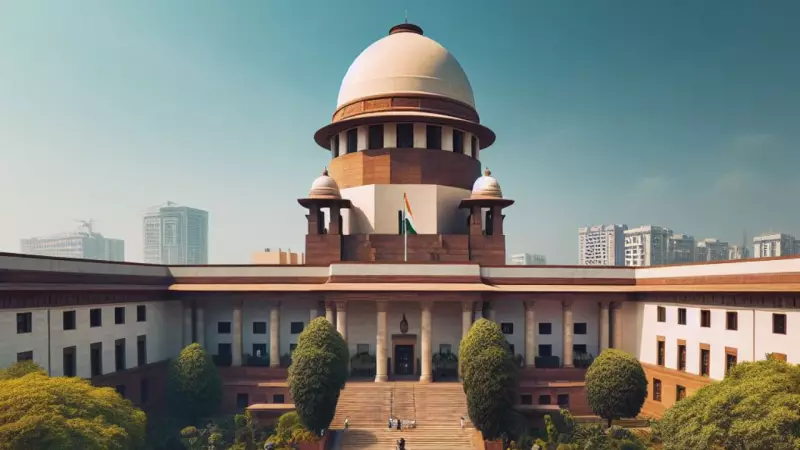
The Supreme Court of India has issued a firm directive to Kerala Chief Minister Pinarayi Vijayan and Governor Rajendra Arlekar, urging them to settle their differences and finalise the appointments for the crucial posts of vice-chancellors at two state universities. The court made it clear that if a consensus is not reached, it will be forced to intervene and make the appointments itself.
A Deadline for Consensus
A bench comprising Justices J B Pardiwala and P B Varale was hearing the contentious matter related to the appointments of vice-chancellors for the APJ Abdul Kalam Technological University and the University of Digital Sciences Innovation and Technology. The bench, expressing its desire for the constitutional authorities to resolve the issue, deferred the hearing to next week.
"You all have to reach some consensus. If you are unable to reach some consensus, then the intervention of the court is the only option," Justice Pardiwala stated. The court set a clear timeline, adding, "By Tuesday, if you all can work it out, well and good. Otherwise, we will appoint."

The Core of the Dispute
During the proceedings, Attorney General R Venkataramani, representing the Governor, provided details on the current status. He informed the court that a Supreme Court-appointed committee, headed by Justice Sudhanshu Dhulia, had recommended two sets of names for the positions. From these recommendations, the Governor, in his capacity as the Chancellor of the universities, had selected two names.
However, the Attorney General indicated that Chief Minister Pinarayi Vijayan had expressed difficulties with the names chosen by the Governor. The Justice Dhulia committee had initially shortlisted four names for each of the two universities, providing a panel from which the final selection was to be made.
Implications of Judicial Intervention
The Supreme Court's stance underscores the growing impasse between the state's executive head and the gubernatorial office. The court's warning to step in and appoint the vice-chancellors directly from the committee's recommended names is a significant move. It highlights the judiciary's role in breaking administrative deadlocks that can hamper the functioning of vital educational institutions.
This development puts pressure on both constitutional functionaries to engage in constructive dialogue before the next hearing. The outcome will set a precedent for how similar disputes between state governments and governors are resolved in the future, especially concerning appointments to key academic positions.