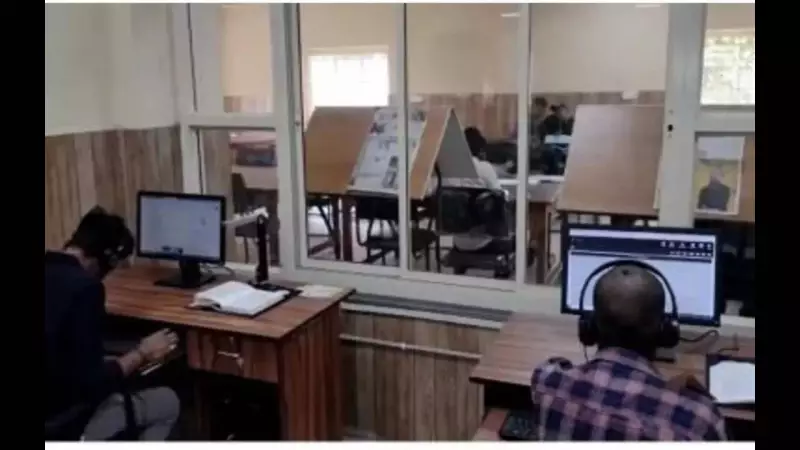
In a significant stride towards inclusive education, Berhampur University has launched an innovative 'talking book library' designed to empower visually-impaired students and research scholars. This facility enables users to convert textual study materials into audio formats, reducing dependency on traditional Braille books or constant human assistance.
Bridging the Accessibility Gap in Higher Education
The newly established facility at the university's R P Padhy Central Library is already making a tangible difference. Around 10 post-graduate students across various disciplines have begun utilizing the service. For scholars like Sagar Kumar Majhi, a visually-impaired research scholar in Political Science, this initiative is transformative. He highlights that it not only fosters inclusivity but also grants the independence necessary for pursuing advanced research by bridging a critical gap in accessing and translating books in multiple languages.
Modern Tools for Independent Learning
University Vice-Chancellor Geetanjali Dash explained that the talking book library aims to enhance library facilities through modern technology. The setup incorporates advanced tools specifically suited for visually-impaired and low-vision users. Key digital equipment includes two computers equipped with specialized reading software and digital scanners.

Sharada Prasanna Rout, an assistant professor of Political Science who is also visually-impaired and serves as the convener of the university's Persons with Disabilities (PwD) cell, elaborated on the technology's capabilities. He noted that with the screen scanner, a student can listen to a book in any language. Since the scanner is connected to Google Translate via the internet, it can also translate texts into languages like English and Hindi based on the user's preference. This feature is crucial given the limited availability of documents in Braille.
Expanding Access Beyond the Library
The university's commitment extends beyond the library walls. To ensure wider access, the authorities have provided one device each to visually-impaired teachers and non-teaching staff. Vice-Chancellor Dash expressed a clear desire for more visually-impaired and disabled students to take full advantage of this empowering facility, marking a firm step towards a more accessible academic environment in Berhampur.