Bill Gates Declines NFL Ownership, Focuses on Philanthropic Mission
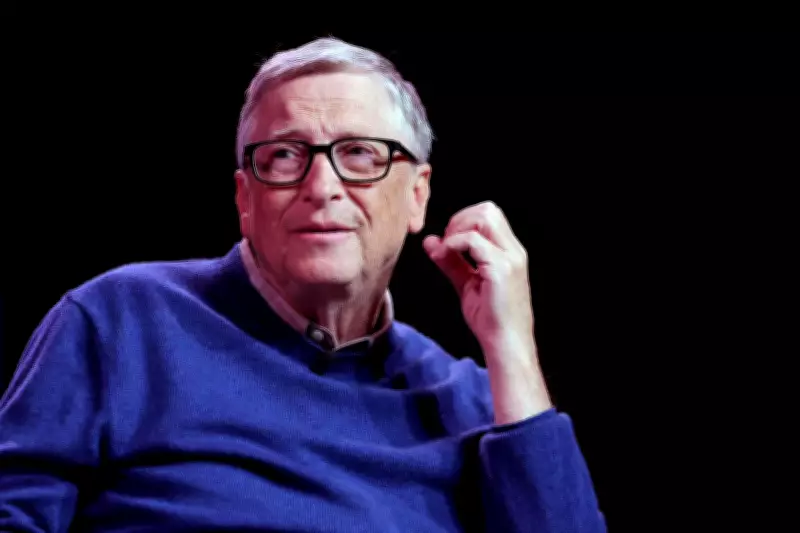
Microsoft founder Bill Gates has publicly clarified that his approach to wealth distribution significantly differs from that of many other ultra-wealthy individuals, including his late friend and Microsoft co-founder, Paul Allen. In a definitive statement, Gates expressed no interest in purchasing the NFL franchise that Allen acquired in 1997. The team, now seeking a new owner eight years after Allen's passing, is expected to command a price exceeding $6 billion.
Ending Speculation on Seattle Seahawks Ownership
Although Gates never publicly declared an interest in buying the football team, his deep-rooted connections to Seattle and his strong personal bond with Paul Allen had fueled widespread speculation that he might be among the potential buyers. Gates has often described Allen as his "cooler older friend," admiring his diverse passions for music, sports, and other pursuits. However, Gates made his position unmistakably clear during a recent Townhall meeting with employees of the Bill & Melinda Gates Foundation.
According to a report from The Seattle Times, the question about NFL ownership arose during this gathering. Gates firmly stated that his billions are wholly dedicated to the philanthropic organization's mission. He emphasized that acquiring a sports franchise does not align with his vision for spending his time or resources. "This is a great city," Gates remarked, "But owning a sports team will not be a part of how I spend my time."

A Public Apology for Epstein Association
During the same Townhall event, Bill Gates also addressed a controversial chapter from his past, offering a formal apology to foundation staff for his previous interactions with the convicted sex offender, Jeffrey Epstein. As reported by The Wall Street Journal, Gates acknowledged that the entire situation posed a significant risk to the foundation's esteemed reputation.
"It definitely is the opposite of the values of the Foundation and the goals of the foundation," Gates stated, according to a recording reviewed by the newspaper. He further explained, "And our work is very reputational sensitive. I mean, people can choose to work with us or not work with us."
Gates reportedly told employees that it was "a huge mistake to spend time with Epstein" and to involve foundation executives in meetings with the disgraced financier. The WSJ report also detailed that, during the town hall, Gates admitted to two extramarital affairs—one with a Russian bridge player and another with a Russian nuclear physicist—which Epstein later discovered through Gates's former science adviser, Boris Nikolic.
Despite these admissions, Gates insisted he had no involvement in or knowledge of Epstein's criminal activities. He assured employees, "I did nothing illicit. I saw nothing illicit." This public apology marks a significant moment for the Gates Foundation as it continues its global philanthropic efforts amidst heightened scrutiny.
Contrasting Legacies of Wealth and Influence
The juxtaposition of these two announcements highlights the divergent paths taken by billionaires in managing their fortunes and public personas. While Paul Allen invested in high-profile assets like an NFL team, Bill Gates remains steadfast in channeling his wealth toward global health, education, and poverty alleviation through his foundation. This commitment underscores a broader philosophical stance on responsible wealth stewardship in the modern era.
As the Seattle Seahawks await a new owner, Gates's declaration solidifies his legacy not as a sports franchise magnate, but as a dedicated philanthropist focused on transformative social impact. The episode also serves as a reminder of the complex intersections between personal history, public reputation, and philanthropic integrity in the world of high-stakes philanthropy.