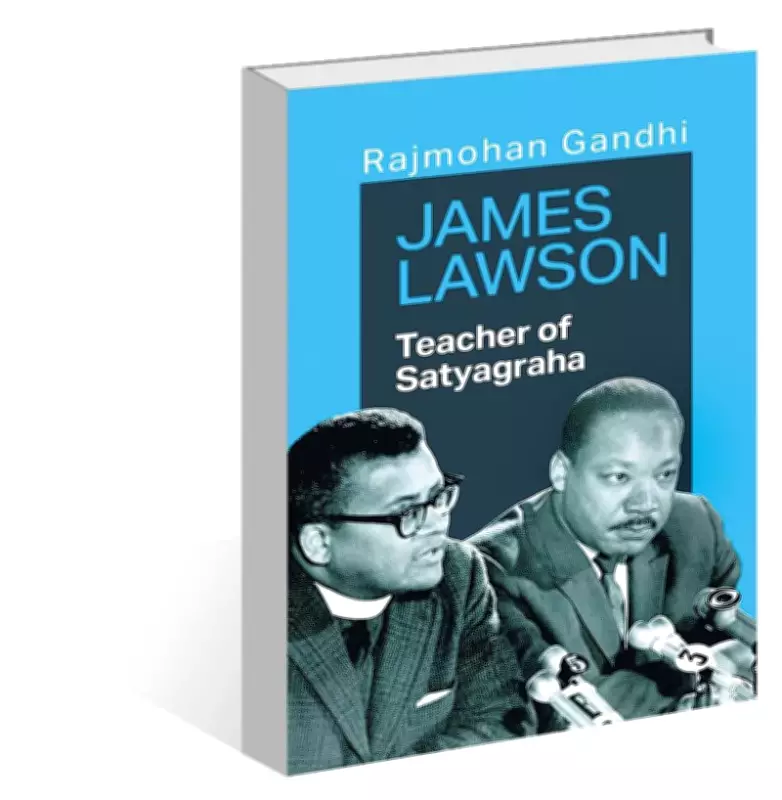
Rajmohan Gandhi's New Book Sheds Light on James Lawson's Pivotal Role in US History
In a compelling new work, author and historian Rajmohan Gandhi delves into the life and legacy of James Lawson, a figure whose influence helped transplant the seeds of Gandhian philosophy onto American soil. The book, titled James Lawson: Teacher of Satyagraha, meticulously chronicles how Lawson became a crucial conduit for Mahatma Gandhi's principles of nonviolent resistance, or Satyagraha, during the turbulent era of the US civil rights movement.
The Journey of a Gandhian Disciple in America
James Lawson's story is one of profound cross-cultural exchange and unwavering commitment to social justice. Born in the United States, Lawson's path took a transformative turn when he traveled to India in the 1950s to study Gandhian methods firsthand. Immersing himself in the teachings of nonviolence, he returned to America with a mission to adapt these ideas to the fight against racial segregation and inequality.
Rajmohan Gandhi's narrative highlights how Lawson's deep understanding of Satyagraha enabled him to train and mentor key leaders of the civil rights movement, including figures like Martin Luther King Jr. Through workshops and grassroots organizing, Lawson emphasized the power of peaceful protest, civil disobedience, and moral courage—core tenets that became instrumental in shaping the movement's strategies and successes.

Bridging Ideologies Across Continents
The book explores the intricate ways in which Gandhian ideas were not merely imported but thoughtfully integrated into the American context. Lawson's work demonstrated that nonviolent resistance could be a potent tool for social change beyond India's borders, fostering a global dialogue on justice and human rights. Rajmohan Gandhi provides rich historical context, drawing on archival research and personal accounts to illustrate how Lawson's teachings helped galvanize protests, boycotts, and marches that challenged systemic racism.
Key aspects covered in the book include:
- Lawson's early life and his spiritual and intellectual journey to India.
- The practical applications of Satyagraha in US civil rights campaigns, such as the Nashville sit-ins.
- The lasting impact of Lawson's mentorship on activists and the broader movement.
- Comparative analyses of nonviolent struggles in India and the United States.
Enduring Legacy and Contemporary Relevance
Rajmohan Gandhi argues that Lawson's legacy extends far beyond the 1960s, offering lessons for modern social justice movements worldwide. By documenting how Gandhian principles were embraced and adapted in the US, the book underscores the universality of nonviolent activism as a force for change. It also prompts reflections on the ongoing struggles for equality and the role of ethical leadership in today's global landscape.
This volume is not just a biography but a scholarly examination of how ideas can transcend geographical and cultural boundaries to inspire collective action. For readers interested in history, politics, and social movements, James Lawson: Teacher of Satyagraha provides a nuanced perspective on a pivotal chapter in both Indian and American history, reaffirming the power of peaceful resistance in the face of adversity.