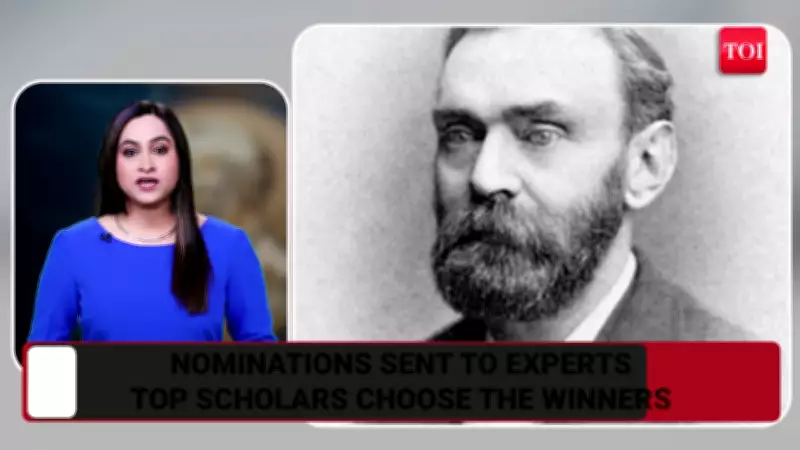
The Nobel Prize Selection Process: A Journey of Secrecy and Rigor
Have you ever pondered the intricate journey that leads to someone winning a Nobel Prize? This prestigious award, established by Alfred Nobel—the inventor of dynamite—stands as one of the highest global honors, celebrating exceptional contributions in Physics, Chemistry, Medicine, Literature, Peace, and Economics. Contrary to popular belief, winning a Nobel Prize is not about submitting an application; it involves a lengthy, confidential, and highly selective process managed by top experts worldwide.
The Nomination Phase: An Exclusive Invitation
Each year in September, nomination forms are dispatched to approximately 3,000 qualified individuals, including professors, scientists, and previous Nobel laureates. Self-nominations are strictly prohibited, ensuring that only peer-recognized achievements are considered. This initial step sets the stage for a rigorous evaluation, where nominees are proposed based on their groundbreaking work that has the potential to change the world.
Review and Consultation: Months of Scrutiny
From February to August, Nobel Committees engage in an intensive review process. They meticulously examine all nominations, consulting with international experts to assess the impact and significance of each candidate's contributions. Detailed reports are prepared during this period, highlighting the merits of the work and its alignment with Alfred Nobel's vision of benefiting humanity. This phase is crucial for maintaining the award's integrity and prestige.

Institutional Roles: Who Decides What?
The selection of winners is delegated to specific institutions, each specializing in different categories:
- The Royal Swedish Academy of Sciences oversees the awards for Physics, Chemistry, and Economics.
- The Nobel Assembly at Karolinska Institutet is responsible for the Medicine prize.
- The Swedish Academy selects the winner for Literature.
- The Norwegian Nobel Committee chooses the recipient of the Peace Prize.
This division ensures that experts in each field make informed decisions, upholding the Nobel Prize's reputation for excellence.
Final Vote and Announcement: The Climax of Secrecy
In October, the final vote takes place, where committee members cast their ballots to determine the winners. The decision is final and cannot be appealed, emphasizing the thoroughness of the preceding months of evaluation. The winners are then publicly announced, leading to the grand ceremonies held on December 10—the anniversary of Alfred Nobel's death. In Stockholm and Oslo, laureates receive their medal, diploma, and prize money, symbolizing their monumental achievements.
Confidentiality and Legacy: Secrets Locked Away
An intriguing aspect of the Nobel Prize process is its commitment to confidentiality. All nomination records are kept secret for 50 years, protecting the privacy of nominees and the integrity of the selection. This secrecy adds to the mystique of the award, ensuring that the focus remains on the work rather than the politics behind it. Ultimately, a Nobel Prize is not merely given; it is earned through a demanding and secretive evaluation by the world's foremost experts, recognizing contributions that truly transform our understanding and society.