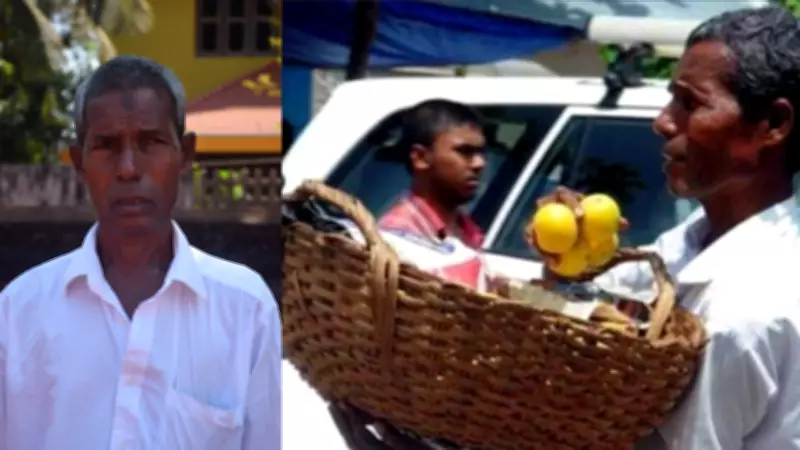
From Humiliation to Inspiration: The Orange Seller Who Built a School
At a bustling bus stand in Mangaluru, a simple interaction would alter the course of one man's life forever. Harekala Hajabba, a local fruit vendor with a basket of oranges, found himself unable to respond when foreign tourists asked for the price. He knew his fruit intimately but lacked the language skills to communicate. This moment of embarrassment, which stung deeply enough to remain etched in his memory, became the catalyst for an extraordinary journey of social transformation.
The Turning Point That Fueled a Dream
Hajabba himself had never received formal schooling, and this personal deprivation magnified both his frustration and his determination. Multiple accounts of his life reveal how that embarrassing encounter with tourists, combined with the stark reality that his village lacked any educational institution, crystallized into a singular, stubborn vision: future generations should not suffer the same educational isolation he had experienced. While minor details vary across reports, the core narrative remains unwavering—a small humiliation at a fruit stall blossomed into a public mission of monumental proportions.
A School Built Through Sacrifice and Persistence
In the year 2000, Hajabba began translating his resolve into concrete action. Using his modest savings from selling oranges, he initiated the establishment of a school in Newpadapu, located within the Harekala area of Dakshina Kannada district. What commenced as a humble endeavor gradually expanded through relentless persistence, strategic loans, careful land acquisitions, and the support of others who came to believe in his cause. By the time national recognition found him, the institution had evolved into a government school that had educated over 2,000 children across numerous years.

This educational landmark was not created through a single grand gesture but through countless small, repeated acts of personal sacrifice—the kind that typically unfold quietly, without fanfare or public attention.
Why This Story Captured National Imagination
The profound power of Hajabba's narrative lies in its ordinary origins. He was neither a policy expert, nor a politician, nor a wealthy philanthropist. He remained a simple fruit seller who continued his daily work even as the school slowly materialized around him. This striking contrast between his modest means and his monumental achievement propelled the story far beyond his village. In 2020, the official Padma Awards notification listed Shri Harekala Hajabba under Social Work for Karnataka, with the prestigious Padma Shri honor formally conferred in November 2021.
Media coverage from that period highlighted how he received news of the award while standing in a ration-shop queue—a poignant detail that underscored his unwavering simplicity even after achieving national acclaim.
The Mission Continues: Expansion and Ongoing Challenges
The most remarkable aspect of this story is that it did not conclude with the medal ceremony. In December 2024, reports confirmed that Hajabba's school had received permission to launch bilingual-medium classes, welcoming 13 new admissions even as construction continued on additional classrooms. By early 2025, however, another report revealed that the long-awaited dream of a dedicated pre-university college building in Harekala remained unresolved, with classes operating in constrained spaces while the building proposal awaited necessary funding.
In essence, this narrative continues to unfold, with Hajabba actively participating in its ongoing chapters.
Sustained Commitment Beyond the First Achievement
Even after the initial classrooms became operational, Hajabba neither abandoned his struggle nor left his fruit stall. He persisted in selling oranges, continued saving whatever modest amounts possible, and remained dedicated to his unfinished vision: that children in his village deserved more than just a single building. Over decades, his work transcended symbolic value and evolved into practical, tangible impact—creating an educational space that reached families historically marginalized from learning opportunities.

The Enduring Legacy of a Simple Man's Extraordinary Vision
The deeper lesson from Harekala Hajabba's journey extends beyond the notion that one individual can transform a single village. It demonstrates how personal dignity often emerges when resentment is converted into responsibility. Rather than using humiliation as justification to withdraw from society, he employed it as evidence that the world needed expansion for subsequent generations. This fundamental principle explains why his story continues to resonate so powerfully.
It speaks to education's quiet transformative power, the moral authority of unwavering persistence, and the remarkable phenomenon where a small act of refusal—rejecting the notion that a village must remain deprived—can grow into an institution that shelters multiple generations.