A groundbreaking innovation from Chandigarh's Postgraduate Institute of Medical Education and Research (PGIMER) has received national acclaim for empowering a visually impaired child. The institute's Oral Health Sciences Centre (OHSC) has developed an artificial eye embedded with Braille script, a first-of-its-kind solution in maxillofacial prosthetics. This work secured the first prize in the faculty presentation category at the 53rd National Conference of the Indian Prosthodontic Society in Navi Mumbai earlier this month.
The Genesis of a Simple Yet Powerful Idea
The award-winning project was spearheaded by Professor Sudhir Bhandari from the Unit of Prosthodontics. He collaborated with Dr. Bhavita Wadwa, Associate Professor at OHSC; Dr. Usha Singh, Professor in Ophthalmology; and Dr. Manisha Khanna, a Senior Research Fellow at OHSC. Their mission was to address a daily struggle faced by a specific patient: a six-year-old child who lost vision in both eyes after treatment for retinoblastoma.
Despite using custom-made ocular prostheses (artificial eyes), the child found it extremely difficult to distinguish between the right and left pieces and insert them correctly. This led to constant discomfort, a high risk of injuring the delicate eye socket, and an increased, frustrating dependence on caregivers.

How Braille Script Transformed Independence
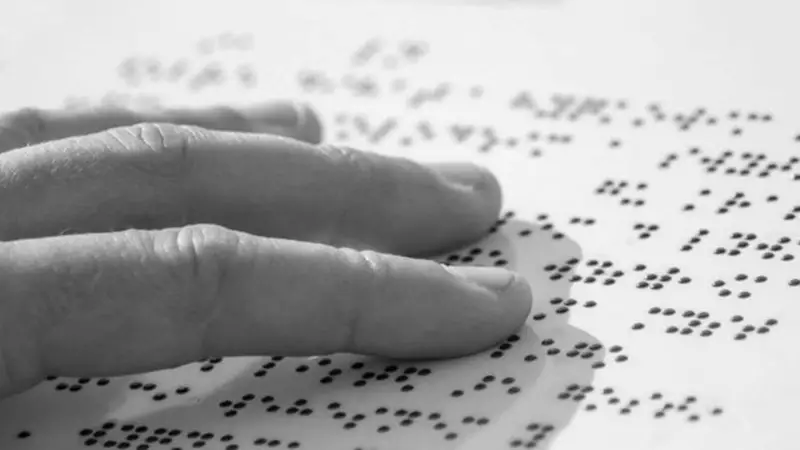
Knowing the child was a student at a residential school for the visually impaired where Braille is part of the curriculum, the PGIMER team devised an elegant solution. They decided to embed tactile Braille letters inside the custom prostheses. This ingenious modification allowed the child to identify the correct artificial eye and its proper orientation purely through touch.
The results were transformative. The child gained the ability to manage the prostheses independently, leading to a marked boost in confidence and self-reliance. Follow-up checks after 24 hours, one week, and six months confirmed the success, showing no complications related to placement or socket health.
A National Milestone in Patient-Centred Care
This innovation marks the first reported use of Braille in the field of maxillofacial prosthetics. Experts highlight that it demonstrates how low-cost, thoughtful design can solve everyday challenges for children with conditions like bilateral anophthalmia, a rare condition affecting roughly 1 in 20,000 births.
The national recognition underscores PGIMER's commitment to multidisciplinary research and developing practical solutions that tangibly improve a patient's quality of life. This Braille-embedded ocular prosthesis stands as a significant milestone in rehabilitation, proving that a simple, user-centric approach can foster profound independence.