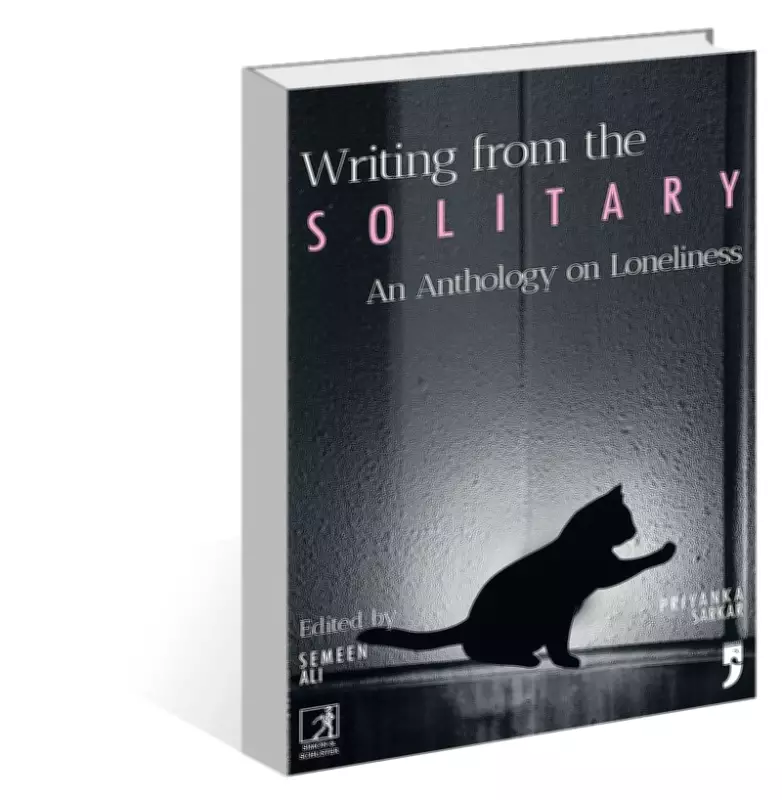
Writing from the Solitary Wounds: Revelations in Literature
A new review delves into the powerful literary works that emerge from solitary wounds, offering deep insights into human experience. This analysis examines how authors transform personal pain into universal truths, shedding light on themes of isolation, trauma, and recovery.
The Power of Solitary Experiences in Writing
Solitary wounds, often stemming from personal struggles or emotional hardships, serve as a fertile ground for creative expression. The review highlights how writers channel these experiences into narratives that resonate with readers, providing a sense of connection and understanding. By exploring the depths of human suffering, these works reveal the resilience of the human spirit and the potential for healing through art.
Revelations Through Literary Analysis
The review critically assesses several contemporary books that exemplify this trend, noting their stylistic approaches and thematic depth. It discusses how these works use metaphor, character development, and plot structure to convey complex emotions and societal critiques. The analysis emphasizes the importance of such literature in fostering empathy and sparking conversations about mental health and social issues.

Impact on Readers and Society
Literature born from solitary wounds not only offers personal catharsis for authors but also has a broader impact on readers and society. The review explores how these books can inspire change, challenge stigmas, and promote a more compassionate worldview. By sharing stories of vulnerability and strength, they contribute to a richer cultural dialogue and encourage others to confront their own wounds.
In conclusion, the review underscores the significance of writing from solitary wounds as a means of revelation and transformation. It calls for greater appreciation of such works in literary circles and beyond, recognizing their role in shaping our understanding of the human condition.