The year 2005 marked a significant turning point in Indian cinema, bringing diverse storytelling approaches that reshaped Bollywood's narrative landscape. This pivotal year witnessed the triumphant return of small-town stories alongside glamorous overseas romances and groundbreaking social dramas.
The Small Town Renaissance
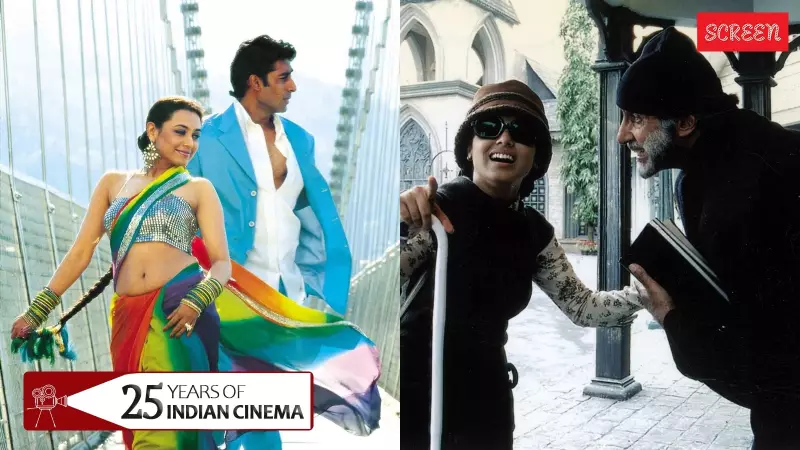
Bunty Aur Babli emerged as the definitive small-town film that captured the nation's imagination. Directed by Shaad Ali, the movie featured Abhishek Bachchan and Rani Mukerji as ambitious youngsters from Kanpur who embark on a journey to pursue their big-city dreams. The film cleverly packaged small-town aspirations with Yash Raj Films' signature designer aesthetic, creating a visually appealing version of provincial India that resonated widely with audiences.
The movie's fashion choices became instant trends, with the colorful outfits worn by the lead characters quickly replicated by local tailors across Uttar Pradesh. This created a fascinating cycle where cinematic fashion influenced real-world style in the very towns the film depicted. Beyond its visual appeal, Bunty Aur Babli featured an unforgettable item number Kajra Re that saw Aishwarya Rai, alongside Amitabh and Abhishek Bachchan, creating a dance sensation that continues to dominate wedding playlists.
Romantic Escapades and Comedy Dominance
While small towns made their presence felt, 2005 also delivered glossy romantic comedies set against international backdrops. Salaam Namaste, starring Preity Zinta and Saif Ali Khan, broke new ground by portraying one of Bollywood's first live-in relationships. Set in Melbourne, the film captured the couple's journey through unexpected pregnancy, with memorable scenes of midnight ice cream cravings that added relatable humor to the narrative.
The comedy genre saw massive success with films like No Entry and Garam Masala drawing huge crowds to theaters. These loud, energetic comedies provided counter-programming to the more serious offerings and demonstrated Bollywood's ability to cater to diverse audience preferences simultaneously.
Black: Changing the Conversation
Sanjay Leela Bhansali's Black emerged as the year's most talked-about film for its bold approach to representing disability. Featuring Rani Mukerji as a deaf-blind woman and Amitabh Bachchan as her teacher battling Alzheimer's, the film brought conversations about disability into mainstream cinema with unprecedented force.
While the film employed Bhansali's characteristic maximalist style—evident in the art deco European-inspired Shimla mansions—its core achievement lay in placing characters with profound disabilities at the center of the narrative. Rather than treating them as objects of pity, Black presented them as drivers of their own stories, sparking important discussions about acceptance and inclusion in Indian society.
The year also saw notable disappointments, particularly Mangal Pandey, which marked a rare misfire for Aamir Khan. However, 2005 will be remembered for launching fresh talent, including Imtiaz Ali's underrated debut Socha Na Tha featuring Abhay Deol and Ayesha Takia, which introduced a new sensibility to the romantic comedy genre.
Looking back, 2005 stands as a microcosm of Bollywood's evolving identity—a year that balanced commercial entertainment with meaningful storytelling, small-town charm with global aspirations, and established stars with emerging voices that would shape Indian cinema for years to come.