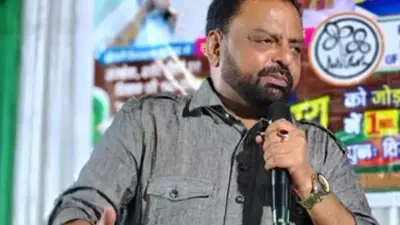
Amol Parashar Finds Cultural Insights Through Live Theater Performances
Just hours before his performance in Pune, actor Amol Parashar sat down for a reflective conversation about live theater, human relationships, and the evolving art of storytelling. Parashar, currently touring with his solo play Besharam Aadmi, emphasized that performing the same production across different cities never becomes monotonous.
The Audience as an Informal Cultural Study
"What makes people laugh, what moves them emotionally, and what they choose to discuss after the show constantly shifts from city to city," Parashar explained. He has come to view these varied audience reactions as more than mere feedback—they represent an informal anthropological study of urban cultures.
"It's like getting a privileged glimpse into the cultural fabric of each location. Their responses reveal something fundamental about their identities and values," the actor added, highlighting how regional differences manifest through theatrical engagement.

Reconnecting Storytellers with Their Audience
Parashar critiqued the entertainment industry's tendency to discuss audiences in isolated conference rooms, arguing that this practice often disconnects creators from the people they aim to reach. "We make assumptions in office meetings about what audiences want, but people evolve much faster than we acknowledge," he stated.
"Performing live in diverse cities forces you to confront who you're actually creating stories for. That direct connection is irreplaceable," Parashar emphasized, noting how theater provides immediate, unfiltered access to public sentiment.
Exploring Domestic Labor Through Theater
His play Besharam Aadmi centers on a young married couple navigating daily life together, subtly raising questions about equitable domestic responsibilities. "The production asks a fundamental question: if both partners work and build a life together, why shouldn't household duties be shared equally?" explained the Gram Chikitsalay actor.
While the themes particularly resonated with female audience members, Parashar shared that some of the most powerful responses came from men. "A young intern brought her father, who handles most housework and faces teasing for it. Seeing a character like himself validated on stage meant something profound to him," Parashar recounted.
Celebrating Alternative Masculinities
Parashar observed that mainstream cinema frequently celebrates loud, aggressive masculinity while marginalizing gentler male characters. "Most real men don't fit the hyper-masculine mold films often promote. Softer men typically become supporting characters, but our play suggests they can be protagonists too," he asserted.
The actor noted that many women have approached him saying, "This reflects our lived experience, though nobody previously discussed it." This feedback revealed that conversations about domestic equity, often considered modern, have existed quietly for generations.
Entertainment as the Primary Vessel for Meaning
For Parashar, entertainment value must precede any social message. "My primary goal is for audiences to enjoy themselves. If their first comment is about the message rather than their experience, the storytelling has failed," he stated unequivocally.
He believes meaningful ideas resonate most powerfully when they emerge subtly from within engaging narratives. "Audiences purchase tickets for enjoyment and emotional engagement, not lectures. If you have something important to convey, embed it within the entertainment so people discover it organically," advised the Dolly Kitty Aur Woh Chamakte Sitare actor.
Parashar concluded, "When someone watches a performance and suddenly recognizes their own life reflected back at them—that moment of feeling truly seen—is what makes storytelling profoundly worthwhile."