Anubhav Sinha: Redefining Social Cinema Through Audience Connection
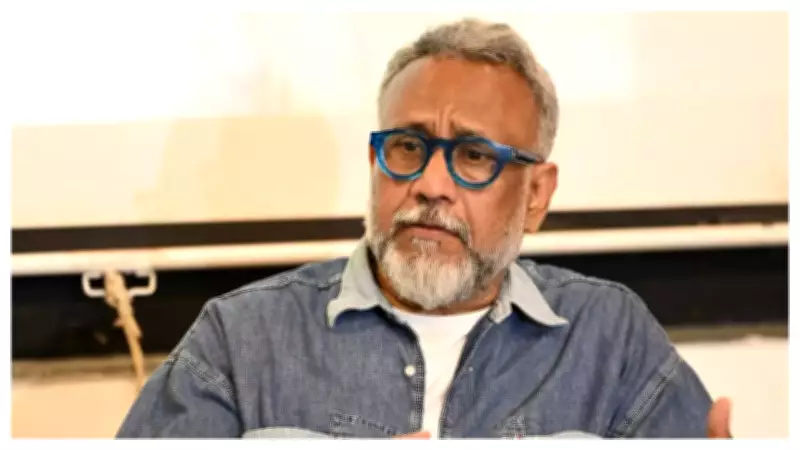
Anubhav Sinha, the acclaimed filmmaker behind powerful social dramas like Article 15, Mulk, and Thappad, continues to push the boundaries of contemporary Hindi cinema with his unique blend of storytelling and sharp social observation. In a recent conversation during his visit to Ahmedabad, Sinha shared insights into his creative process, his deep connection with audiences, and his ongoing campaign to bridge urban-rural divides in film appreciation.
Thappad: A Film That Changed Perspectives
"Thappad remains very close to my heart," Sinha revealed, reflecting on his 2020 film that tackled domestic violence and societal misogyny. "It required me to deeply understand a woman's emotional world and confront the hidden prejudices embedded in our society." The filmmaker emphasized that the film deals with what he calls "embedded DNA malfunction" - societal conditioning so deep that people often remain unaware of its existence.
Even after creating this impactful work, Sinha believes the journey continues. "The process of recognizing and challenging such conditioning happens every day," he noted, suggesting that meaningful cinema serves as both mirror and catalyst for social change.

Chal Cinema Chalein: Bridging the Urban-Rural Divide
Sinha's recent multi-city campaign, Chal Cinema Chalein, represents his personal mission to reconnect with India's diverse audiences. "I often felt disconnected from the nation despite living and working within it," he confessed, addressing the common perception that films are geographically segmented.
Over the past three months, the filmmaker has visited approximately 40-42 cities, immersing himself in local cultures. "I've explored local places, eaten at street stalls, and interacted with locals, digital creators, journalists, and writers," Sinha shared. These experiences have fundamentally reshaped his understanding of Indian society and challenged the assumption that intelligent audiences exist only in urban spaces.
"It's unfair to assume that meaningful content gets lost in rural India," he asserted, emphasizing that his journey has revealed a nationwide appetite for substantial cinema regardless of geography.
The Creative Process: From Observation to Cinema
When asked about what drives his socio-political filmmaking, Sinha explained that "art is ultimately shaped by one's environment and personal observations." He views filmmakers as responders to the risks, realities, and surroundings they inhabit.
"Some opinions stay with a person so strongly that they slowly transform into stories," he described, noting how these narratives eventually become dramatic films. For authenticity, Sinha relies on extensive research through documentaries, books, and conversations with subject matter experts.
Audience Connection: The True Measure of Success
For Sinha, the most rewarding feedback comes not from critics or box office numbers, but from ordinary viewers. "Encounters at airports or on the streets, where strangers come forward to say they liked my film, feel deeply rewarding," he shared.
While acknowledging the importance of commercial success as an indicator of reach, Sinha emphasized that "true emotional satisfaction comes from the audience for whom the film was made." This audience-centric philosophy drives his creative decisions and keeps him grounded despite critical acclaim.
The Big Screen Experience: A Cinematic Priority
In an era dominated by streaming platforms, Sinha remains committed to theatrical cinema. "For me, films are created for theatrical viewing," he stated clearly, distinguishing his approach from content specifically designed for television or streaming services.
The filmmaker views OTT platforms as "a secondary space for those who may have missed the big-screen experience," maintaining that the communal, immersive nature of cinema halls remains integral to his artistic vision.

From enjoying Gujarati delicacies like dhokla and thepla in Ahmedabad to connecting with audiences across India's heartland, Anubhav Sinha continues to demonstrate how cinema can serve as both art form and social conversation starter, proving that meaningful stories resonate far beyond metropolitan boundaries.