Anurag Kashyap's Stark Revelation: Why He Has Stepped Away From Directing Films
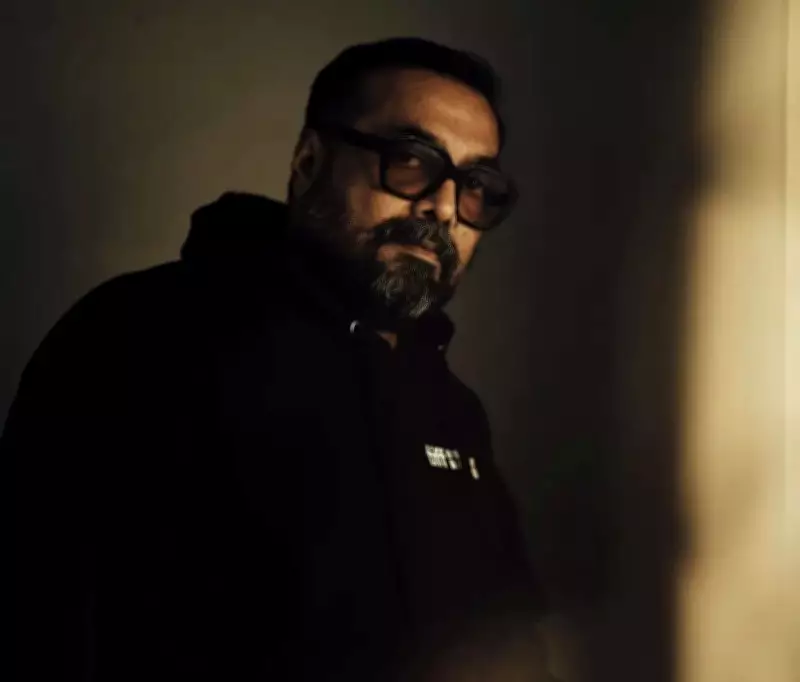
When acclaimed filmmaker Anurag Kashyap engaged in an unfiltered fireside conversation with writer and moderator Suman Kumar at the Bengaluru Art Weekend, the discussion transcended typical industry platitudes. Instead, it evolved into a raw, candid exploration of propaganda in contemporary cinema, deep creative frustrations, and Kashyap's personal decision to temporarily abandon the director's chair.
The Disappearance of Honest Storytelling in Modern Cinema
Opening the dialogue on propaganda in films, Kashyap reframed the debate rather than dismissing it. "If a film is propaganda, then the film opposing it is also counter-propaganda. Films that present facts as facts are simply not being made. The ones that hold a mirror are seen as too troubling," he stated emphatically.
For the filmmaker, the core concern extends beyond propaganda itself to the alarming erosion of authentic narrative. "Today, when you write a script, the first person to read it isn't the producer or actor — it's a lawyer who flags what's 'problematic'. That culture of caution has fundamentally altered filmmaking," Kashyap revealed, highlighting how legal scrutiny now precedes creative evaluation.

Why Anurag Kashyap Has Put Filmmaking on Hold
In a startling admission, Kashyap explained his current hiatus from directing. "The reason I've put filmmaking on the back burner is that I'm unable to make honest films. I'd rather write and be ready for a time when I can make films safely," he confessed.
He pointed to the practical realities facing filmmakers today: "Films are getting dumped, they are not even making it to OTT platforms. As a filmmaker, I find that there is no point. If you make a film only to watch it yourself at home, what's the point?" This disillusionment with distribution channels has contributed significantly to his decision to step back.
Acting as a Necessary Source of Income
Kashyap openly discussed his foray into acting, distinguishing between his dual professional identities. "Every time I act, I think, 'What did I get myself into?' The director in me would never cast me," he admitted with characteristic honesty.
His motivation for accepting acting roles is straightforward: "I'm not making films right now — I need a source of income. Therefore, if someone I trust offers me something, I say yes." This pragmatic approach underscores the financial realities even established creators face when stepping away from their primary craft.
The Artistic Imperative to Make Audiences Uncomfortable
Reflecting on his cinematic philosophy, Kashyap embraced his inclination toward moral complexity. "I cannot write a character who is absolutely moral. There's some degree of immorality in all of us. I like to make people uncomfortable, even if it's just a little," he explained.
He elaborated on audience engagement with challenging characters: "If you feel sympathy for someone with no redeeming qualities, instead of judging them, judge yourself. That's what art does — it makes you look inward." This introspective approach remains central to his creative vision.
Practical Advice for Aspiring Creators
Kashyap offered straightforward guidance on writing: "When you start writing, finish the script. Don't read what you've written until you're done. Overthinking is the biggest creative block. If you keep rereading, you'll never finish. I still write with a pen and don't revisit it until the end."
He cautioned against market-driven creativity: "A lot of people get stuck trying to find an idea that will 'work'. If the need to make a film outweighs the need to be called a filmmaker, it becomes easier. I exorcise myself through writing."
Drawing from his journey, Kashyap emphasized: "It's not difficult if you want to write, act, or make films. The real challenge lies in expectations. If you want to be a superstar, then timing, luck, networking — everything comes into play. But hunger is what drives you. When you're hungry, you find food; it's the same in any field."

The Troubled State of Indian Animation
Kashyap expressed concern about animation in India remaining confined to children's content. "The fact that we call it 'cartoon' automatically reduces it to children's content," he noted, highlighting how terminology limits perception.
He observed that even globally successful animation often fails to secure theatrical releases in India. "It travels the world but doesn't release here. The next five years are going to be very dangerous for Indian animation. With AI entering the space, creative risks may shrink further," he warned, pointing to technological threats to artistic innovation.
Observations on Regional Cinema and Personal Reflections
Commenting on the Kannada film industry, Kashyap acknowledged both achievements and struggles. "It's not a very great state of affairs out here," he said, noting that while major hits emerge, smaller films face persistent funding and distribution hurdles.
"Projects get funded only if certain stars are attached," he pointed out, adding that this dynamic stifles originality: "People start imitating success and lose their own voice." Despite these challenges, he expressed hope for filmmakers maintaining their authentic vision.
Kashyap also shared his affection for Bengaluru: "I love Bengaluru. It's extremely peaceful. People are non-intrusive — they give you space. Returning to Mumbai now feels 'very weird'." This personal reflection added depth to his professional critiques, painting a portrait of an artist navigating both creative and geographical landscapes.