AR Rahman Acknowledges Chhaava's Divisive Nature While Honoring Musical Contribution
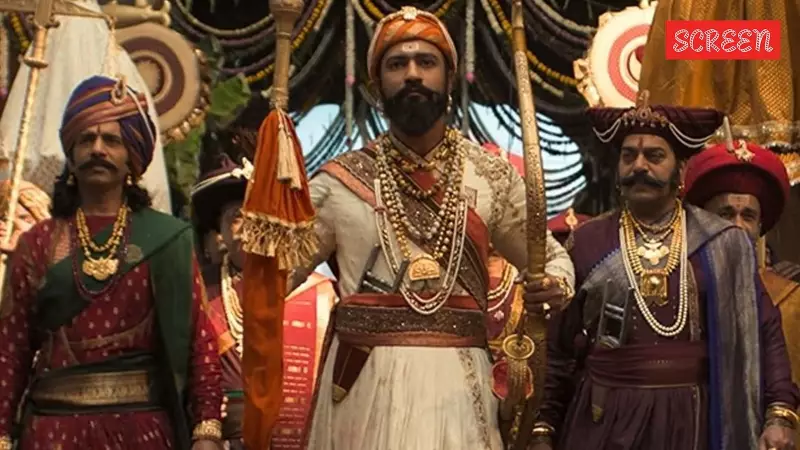
Music composer AR Rahman has openly discussed the controversial nature of the 2025 blockbuster film Chhaava. The Vicky Kaushal-starrer historical drama sparked widespread debate for its portrayal of Maratha warrior-king Sambhaji Maharaj and Mughal Emperor Aurangzeb. Rahman composed the film's soundtrack and now shares his complex perspective on the project.
Box Office Success Amid Controversy
Chhaava emerged as a major commercial success upon its release. Starring Vicky Kaushal and Rashmika Mandanna in lead roles, the film dominated the box office for several months in 2025. It eventually became the highest-grossing film of the year until Ranveer Singh's Dhurandhar surpassed it in December. Despite its financial triumph, the film faced criticism for its divisive narrative elements.
The controversy extended beyond cinematic discussions. Following the film's release, Nagpur in Maharashtra witnessed riots. Chief Minister Devendra Fadnavis attributed these disturbances to public anger directed at the portrayal of Aurangzeb. This real-world impact highlighted the film's potent influence on social sentiments.

Rahman's Candid Admission
In a recent interview with BBC Asian Network, AR Rahman addressed the film's contentious nature directly. "It is a divisive film," he stated plainly. "I think it cashed in on divisiveness, but I think the core of it is to show bravery." The Oscar-winning composer revealed he initially questioned why the filmmakers sought his involvement.
Rahman explained his approach to selecting projects in today's polarized film industry. "Some films are made with a bad intention. I try to avoid those movies," he said. He believes artists like himself have a responsibility to counteract negativity through creative work. "That's the reason God is giving more power to people like us so that we can replace the bad with good by word, action, art," he added.
Honoring Maratha Legacy
Despite acknowledging the film's divisive aspects, Rahman expressed deep honor in scoring music for a film about Sambhaji Maharaj. "Chhaava is the most celebrated character. It is like the blood of every Maratha," he said emotionally. He described the film's conclusion as particularly moving, referencing a girl reciting beautiful poetry.
"I'm so honoured to have scored that full movie, which has the pulse and soul of every Maratha," Rahman emphasized. This sentiment reveals his appreciation for the historical significance of the subject matter, separate from the film's controversial execution.
Criticizing Problematic Portrayals
Rahman specifically addressed one of the film's most criticized elements. When characters uttered Islamic phrases like Subhanallah and Alhamdulillah during negative scenes, many viewers found this offensive. Rahman did not mince words about this creative choice.
"That is such a cliche. It is cringe," he stated clearly. He expressed confidence in audience discernment, saying "They are not that foolish to get influenced by false information." Rahman maintained faith in human conscience and compassion despite such cinematic missteps.
Broader Industry Context
Rahman's comments come amid his broader reflections on Bollywood's changing landscape. He recently revealed losing work over the past eight years, suggesting possible communal considerations in industry decisions. "Maybe it's a communal thing; people who are not creative have the power now," he speculated in a separate interview.
Yet he continues engaging with diverse religious themes, currently composing for a Ramayana adaptation while identifying as Muslim. This demonstrates his commitment to artistic expression beyond divisive narratives.
Audience Intelligence and Film Impact
Rahman concluded with thoughts on cinema's influence. "Do you think people are going to get influenced by movies? They have something called internal conscience, which knows what the truth is, and what manipulation is," he asserted. This perspective suggests he believes audiences can separate artistic portrayal from historical reality.

The composer's nuanced position shows both criticism for Chhaava's divisive elements and respect for its historical subject. His comments highlight the complex relationship between commercial cinema, historical representation, and social responsibility in contemporary Indian filmmaking.