AR Rahman's Daughters Speak Out in His Defense
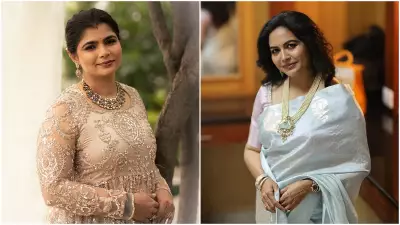
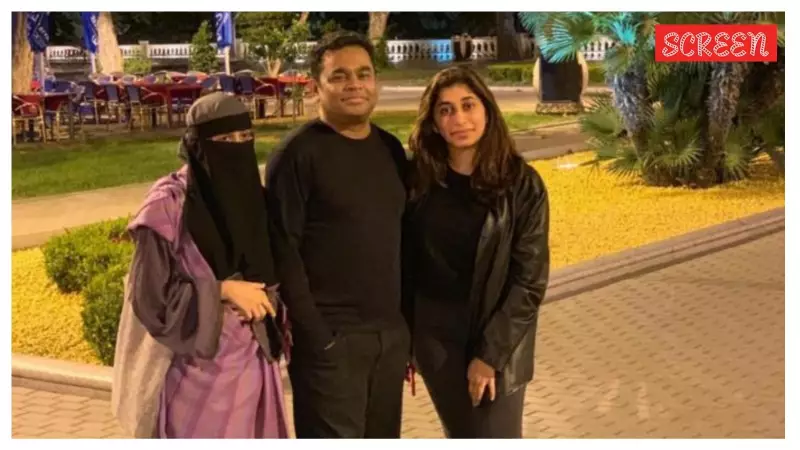
AR Rahman's daughters, Khatija and Raheema, have publicly supported their father as criticism over his recent remarks intensifies. The Oscar-winning composer faced backlash after suggesting in an interview that the Hindi film industry has become more communal. His daughters responded by reposting a note from Malayalam music composer Kailas Menon on their Instagram Stories.
Kailas Menon's Plea: 'Disagree, Don't Disgrace'
Kailas Menon shared a detailed post titled 'Disagree, don't disgrace' on Instagram. He argued that while people may disagree with Rahman's views, they should not resort to abuse or character assassination. Menon emphasized that Rahman has the right to express his personal experiences without facing public humiliation.
He wrote, 'Calling a globally respected artist a disgrace or questioning his faith is not criticism. It's hate speech presented as opinion.' Menon highlighted Rahman's decades of contributions to Indian cinema and global music, stating that these achievements should not be overshadowed by one controversial statement.

Daughters' Active Support on Social Media
Khatija and Raheema both shared Menon's note, with Khatija adding supportive emojis like clapping and heart symbols to his post. This move shows their solidarity with their father during this turbulent time. Notably, Rahman's son, AR Ameen, has not yet commented publicly on the issue.
AR Rahman's Clarification Video
In response to the extreme backlash, AR Rahman posted a video message to clarify his intentions. He stated, 'India is my inspiration, my teacher, and my home. I have never wished to cause pain, and I hope my sincerity is felt.' Rahman expressed his commitment to uplifting and serving through music, reaffirming his pride in being Indian.
He also mentioned his ongoing projects, including composing for a two-part film adaptation of the Ramayana with Hollywood legend Hans Zimmer, directed by Nitesh Tiwari.
Background on the Controversial Comments
The controversy stems from an interview with the BBC, where Rahman discussed potential prejudice in the Hindi film industry. He suggested that a power shift in recent years might have led to communal dynamics affecting work opportunities. Rahman attributed these observations to 'Chinese whispers' he heard over the past eight years, but stressed that he is not actively seeking work and values sincerity in his career.
This incident has sparked a broader debate about freedom of speech and respect in public discourse within the entertainment industry.