Bad Bunny Revises Super Bowl Halftime Show Language Stance, Sparks Online Debate
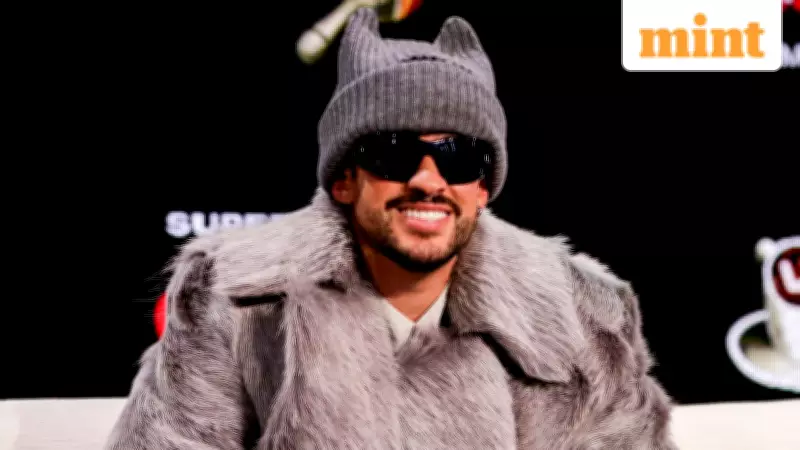
Puerto Rican music icon Bad Bunny, who is set to headline the highly anticipated Super Bowl 60 halftime show, has significantly altered his position regarding language requirements for his performance. The Grammy-winning artist, whose real name is Benito Antonio Martínez Ocasio, initially stirred controversy by telling critics to learn Spanish but has now made a notable reversal, encouraging fans to focus on dance instead.
From Language Requirement to Dance Invitation
During a recent appearance at San Francisco's Moscone Center, Bad Bunny explicitly walked back his previous comments about language learning. "I know I told them they had four months to learn Spanish. They don't even have to learn Spanish. They can learn to dance," the artist stated, as reported by Fox News. This represents a substantial shift from his earlier remarks made during a Saturday Night Live appearance, where he teased critics in Spanish by saying, "If you didn't understand what I just said, you have four months to learn."
The initial comments came when Bad Bunny expressed excitement about his Super Bowl LX performance, noting that "people all around the world who love my music are also happy" about the opportunity. However, the language requirement suggestion generated immediate backlash and discussion across social media platforms and entertainment circles.

Mixed Public Reactions to the Artist's Changed Position
The artist's revised stance has elicited diverse responses from the public and social media users as the Sunday Super Bowl approaches:
- Critical Perspectives: Some users remain unimpressed, with one commenting on X, "Nobody is listening to Bad Bunny anyway. Apology not accepted." Another added, "He better be exceptional or this won't go well for him," while a third observed, "So now it's about dancing instead of language classic backpedal. Criticism hit, ego flinched, and suddenly the message changes. It's less about inclusivity and more about managing optics."
- Supportive Voices: Other reactions have been more positive, with one user suggesting, "Well, that's a right turn! Instead of whining, how about everyone just enjoys the show and gives it a good shimmy? Life's too short to fuss over language when there's dancing to be done!"
- Boycott Threats: Despite the changed language, some remain firmly opposed, with one individual declaring, "I still won't watch the Super Bowl. None of it. Won't support the advertisers either. Will actively boycott anyone associated with it."
Broader Implications for Super Bowl Performance
The controversy surrounding Bad Bunny's comments highlights the complex dynamics of language, culture, and entertainment in major global events like the Super Bowl. As one of the most-watched television events worldwide, the halftime show traditionally serves as a platform for cultural exchange and artistic expression.
Bad Bunny's initial insistence on Spanish learning raised questions about accessibility and inclusivity for international audiences, while his subsequent pivot to dance emphasizes universal participation through movement rather than linguistic understanding. This evolution in messaging reflects the delicate balance artists must maintain when addressing diverse global audiences while staying true to their cultural roots.
The mixed reactions demonstrate how public figures navigate controversy in the digital age, where statements can quickly escalate into broader cultural conversations. As Super Bowl Sunday approaches, all eyes will be on whether Bad Bunny's performance transcends these debates through musical excellence and captivating choreography that resonates across language barriers.