Bad Bunny's Super Bowl Halftime Show Sparks Political Boycott Calls Ahead of Super Bowl LX
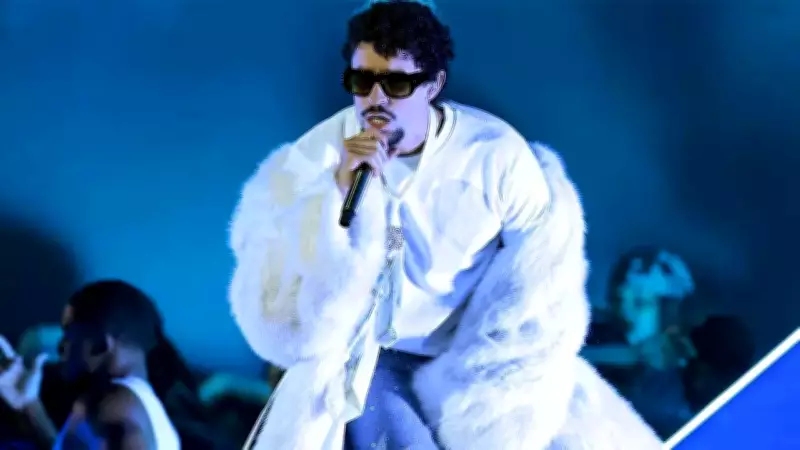
Bad Bunny's highly anticipated performance at the Super Bowl LX halftime show has unexpectedly become the epicenter of a significant cultural and political controversy, with prominent voices now calling for a complete boycott of the game just days before kickoff. What was initially envisioned as a global celebration of music has rapidly transformed into a contentious flashpoint, highlighting deep divisions over politics, protest, and the evolving role of sports in American society.
Reverend Jordan Wells Announces Boycott Over NFL's Political Shift
The backlash gained substantial momentum when Reverend Jordan Wells, a lifelong NFL supporter and dedicated Kansas City Chiefs fan, publicly declared that he will not be watching Super Bowl LX. In a detailed explanation, Wells emphasized that his decision is not rooted in football loyalties or any language barriers related to Bad Bunny's Spanish performances. Instead, he insists that the NFL's choice of artist reflects a profound ideological shift that he no longer recognizes or feels comfortable supporting.
During a recent appearance on TMZ Live, Wells articulated his stance clearly, framing the Bad Bunny halftime booking as a symbolic representation of what he perceives as the league's increasing political alignment. He firmly rejected any suggestions that his opposition stems from linguistic concerns, stating that the core issue lies with the artist's well-documented activism and what he views as a one-sided political message being broadcast to millions of viewers.

"I expect this Super Bowl to be the most political Super Bowl we have ever seen, because of who they picked and because of how the NFL has handled that," Wells stated emphatically during the interview.
Bad Bunny's Activism and Grammy Statement Fuel Controversy
Bad Bunny has consistently demonstrated a willingness to engage with social and political issues throughout his career. His pointed criticism of U.S. Immigration and Customs Enforcement (ICE) and its enforcement tactics has been particularly public and vocal, most notably during one of music's most prestigious events. While accepting his Grammy Award, the Puerto Rican superstar opened his speech with a powerful and unambiguous declaration.
"Before I say thanks to God, I'm going to say ICE out," he proclaimed, receiving enthusiastic applause before adding, "We're not savages, we're not animals, we're not aliens. We are humans and we are Americans."
For Reverend Wells, these words crystallize what he believes is the NFL's underlying intention with this halftime selection. "The NFL is obviously sending a message to half of the country that voted for Trump that 'We don't care how you feel. We don't care what you think,'" he argued, suggesting that the league is deliberately aligning itself with specific political viewpoints.
Broader Context: NFL's Social Messaging Evolution Since 2020
The NFL's engagement with social and political messaging did not begin with this controversy. Following the tragic killing of George Floyd in 2020, the NFL, along with other major sports organizations like the NBA and prominent soccer leagues, has increasingly amplified anti-racism initiatives and social justice campaigns. Wells contends that this evolution has fundamentally altered the Super Bowl's significance for him personally. He recalls the event as a rare cultural moment that traditionally transcended political divisions rather than exacerbating them.
"Americans are tired of celebrities that make $20 million a year telling us that we are bad people because Middle America, Southern America wants secure borders and we want our immigration enforced. We're tired of it," Wells expressed, highlighting a growing sentiment of frustration among certain segments of the population.

Uncertainty Looms as Halftime Show Details Remain Unrevealed
Currently, the controversy remains largely speculative, based on expectations rather than confirmed facts. Bad Bunny has not yet disclosed any specific plans for his halftime performance, leaving open the crucial question of whether the show will feature overt political statements or maintain a purely musical focus. This uncertainty ensures that all eyes will be on the stage when the lights illuminate on Sunday, with the potential for the performance to either defuse or intensify the existing tensions.
The unfolding situation underscores the complex intersection of sports, entertainment, and politics in contemporary America, demonstrating how major cultural events like the Super Bowl can become arenas for broader societal debates. As the countdown to Super Bowl LX continues, the discussion surrounding Bad Bunny's role highlights the ongoing challenges faced by institutions navigating increasingly polarized landscapes.