Bad Bunny's Super Bowl Halftime Performance: A Global Spectacle with Minimal Pay
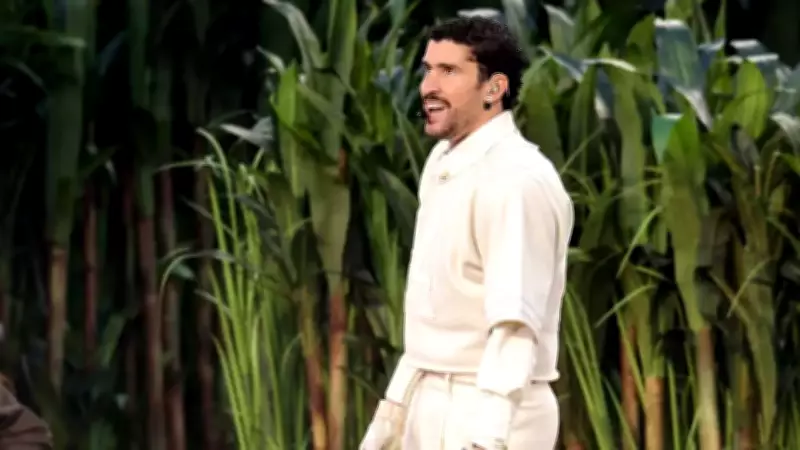
When international music sensation Bad Bunny took center stage at the Super Bowl LX halftime show on February 8, 2026, the entire world tuned in to watch. Whether dedicated American football fans or casual viewers, audiences across the globe paid attention—not just for the electrifying music, but also out of curiosity about the financial impact of such a high-profile performance.
The Surprising Reality of Super Bowl Paychecks
Beyond becoming an immediate cultural phenomenon, there's another crucial aspect to consider with such a massive, standout performance: the money involved. How much exactly did Bad Bunny earn for this one-of-a-kind Super Bowl halftime appearance? While you might anticipate a massive payday given the show's enormous scale, the truth about his compensation will likely surprise you.
Contrary to popular belief, Bad Bunny did not receive millions of dollars from the NFL for his performance. The league does not actually pay performers in the way most people assume. What's even more striking is that this has been their standard practice for decades. Instead of offering a giant salary, halftime headliners typically receive only the minimum wage required by unions—usually around USD 1,000 per day for rehearsals and the actual show. That's the extent of it. There is no substantial appearance fee, at least not directly from the NFL.

The NFL's Enduring Tradition of Exposure Over Payment
This payment structure has been in place since the early 1990s, when the halftime show transformed from marching band performances into the extravagant pop spectacle we recognize today. That's when the NFL began betting that the exposure alone would be sufficient compensation for any artist. Their gamble proved correct. No headline performer since that era has received a traditional performance fee.
The league's reasoning is straightforward: if you perform at the Super Bowl, you gain visibility from more people than almost any other moment in your career. That immense exposure is considered the trade-off for the lack of direct payment. The NFL covers all production costs—including lighting, stage setup, elaborate props, travel, and hotel accommodations—which can total between USD 10 million and USD 15 million, sometimes even more. This means artists don't need to worry about staging or travel expenses.
Some performers, like The Weeknd, have even invested their own money to enhance their shows further. However, despite these investments, there remains no traditional paycheck from the NFL. Even legendary artists such as Beyoncé, Paul McCartney, and Bruce Springsteen performed at the Super Bowl for the union minimum wage. Ultimately, it has always been about the exposure, not the check. The bottom line is that everything else is paid for except the performance itself.
Why Artists Continue to Accept the NFL's Offer
So why do top artists still agree to perform? The answer lies in the prestige and unparalleled promotional opportunity. The NFL funds the entire spectacle, while the artist receives the world's attention. The exposure is simply too significant to pass up. Over 100 million people in the United States alone watch the halftime show annually. This kind of spotlight can dramatically boost streaming numbers, album sales, and concert ticket demand, potentially introducing artists to entirely new audiences.
For Bad Bunny, fresh off a Grammy win and dominating streaming charts, the Super Bowl halftime show added another prestigious achievement to his legacy. While he didn't receive his usual multi-million-dollar touring fee, the exposure gained is invaluable. In fact, for many artists, the promotional benefits far outweigh any paycheck the NFL could provide.
Historical Context and Viewer Numbers
Previous Super Bowl halftime shows demonstrate the massive viewership potential. Kendrick Lamar set a record with 133.5 million viewers in 2025, while Usher's 2024 performance attracted 123.4 million viewers. Rihanna's 2023 show reached 121 million viewers. Lamar's performance even surpassed Michael Jackson's Super Bowl 27 show to become the most-watched halftime show ever, drawing more viewers than the game itself in some cases.

This year, the exact viewership numbers for Bad Bunny's performance are still pending, but the historical data underscores why artists value this platform so highly. The Super Bowl halftime show remains one of television's biggest stages, with a global audience in the hundreds of millions, making it a career-defining moment despite the minimal direct compensation.