Badshah's 'Tateeree Phir Se' Video Teaser Ignites Cultural Debate
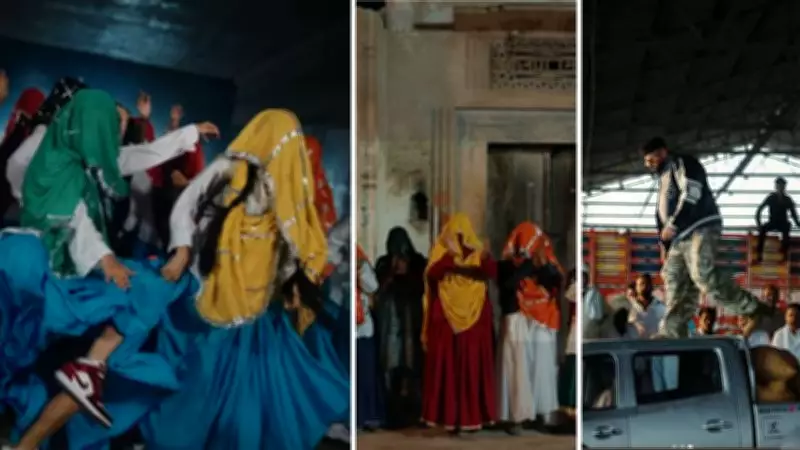
Rapper and music producer Badshah has released a teaser for his upcoming song "Tateeree Phir Se," and it has quickly become a topic of heated discussion across social media platforms and entertainment circles. The teaser, which dropped recently, showcases a vibrant and colorful visual aesthetic, but it is the apparent shift in casting that has captured public attention and sparked a wave of criticism and analysis.
Controversy Over Casting Choices in the Teaser
The core of the controversy lies in the portrayal of female characters in the video. Observers and fans have noted that the teaser appears to replace schoolgirls, who were featured in the original "Tateeree" song, with women dressed in traditional Indian attire such as ghagra (a long skirt) and ghungat (a veil). This change has led to widespread debate about the artistic intentions behind the modification and its implications for cultural representation.
Critics argue that this alteration might be an attempt to sanitize or glamorize the narrative, potentially diluting the original context or message of the song. Some social media users have expressed concerns that it could reinforce stereotypical depictions of women in Bollywood music videos, where traditional roles are often emphasized over modern or diverse representations. Supporters of Badshah, however, defend the creative decision, suggesting it adds a layer of cultural richness and visual appeal, aligning with festive or thematic elements common in Indian pop music.

Broader Implications for Bollywood and Music Industry
This incident highlights ongoing tensions in the Bollywood and Indian music industries regarding representation and creativity. As artists like Badshah push boundaries with their work, they often face scrutiny over how they portray gender, culture, and social themes. The debate over "Tateeree Phir Se" reflects a larger conversation about the balance between artistic freedom and social responsibility in entertainment.
Industry experts point out that music videos, especially from high-profile artists, wield significant influence in shaping public perceptions. Changes in casting or aesthetics can send powerful messages, whether intentional or not. In this case, the shift from schoolgirls to women in traditional wear has prompted discussions on whether it celebrates Indian heritage or inadvertently promotes outdated norms.
Badshah, known for his chart-topping hits and innovative productions, has not yet publicly commented on the controversy. The full video release is anticipated to provide more context, but the teaser has already set the stage for a broader examination of how cultural elements are integrated into modern music.
Public Reaction and Social Media Buzz
The teaser has generated a flurry of reactions online, with hashtags related to the song trending on platforms like Twitter and Instagram. Many users have shared side-by-side comparisons with the original video, analyzing the differences and speculating on the reasons behind the change. This viral engagement underscores the power of social media in amplifying entertainment news and holding artists accountable for their creative choices.
As the discussion continues, it raises questions about audience expectations and the evolving landscape of Indian music. Fans are eagerly awaiting the full release to see if the video addresses these concerns or offers a new perspective on the song's theme.
In summary, Badshah's "Tateeree Phir Se" video teaser has become more than just a promotional tool; it is a catalyst for debate on cultural representation in Bollywood. Whether this controversy will impact the song's success remains to be seen, but it certainly highlights the complex interplay between art, culture, and public discourse in today's entertainment industry.