The Accidental Bollywood Debut That Created Cinema History
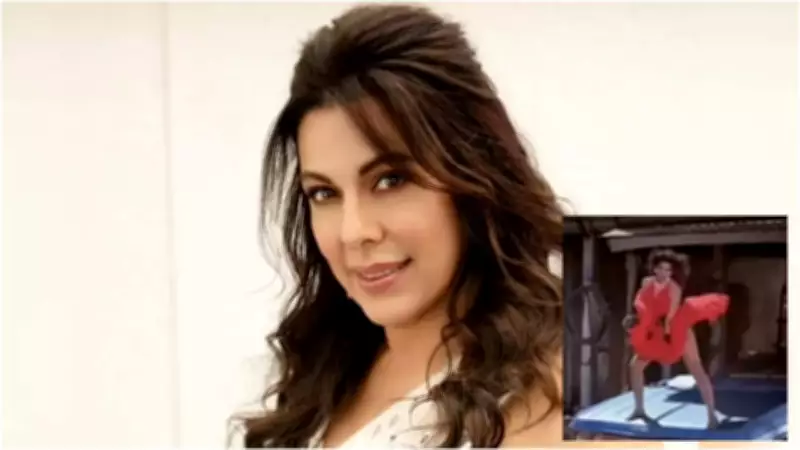
In 1992, director Mansoor Khan's beloved sports drama Jo Jeeta Wohi Sikandar captured the hearts of audiences across India, delivering timeless moments that continue to resonate decades later. Among its most memorable sequences is Pooja Bedi's glamorous recreation of Marilyn Monroe's legendary 'flying skirt' shot, a scene that has become iconic in Bollywood lore. Recently, celebrity stylist Ashley Rebello, the creative mind behind the film's costumes, shared fascinating behind-the-scenes details about how this unforgettable moment was brought to life through experimentation and quick thinking.
An Unplanned Entry Into the Film Industry
In a revealing conversation with Beyond the Frame host Avinash Tripathi, Ashley Rebello disclosed that Jo Jeeta Wohi Sikandar marked his very first project in Bollywood, launching a career that would span decades. Before entering the film world, Rebello was selling hand-painted T-shirts, a humble beginning that unexpectedly led to his big break. During a routine delivery to Mansoor Khan's office, the filmmaker was so impressed by Ashley's artistic designs that he immediately offered him the opportunity to design costumes for the entire film.
Recalling the fateful encounter, Rebello explained, "One day, I went to Mansoor Khan's office to deliver some T-shirts and his secretary asked me to go inside and meet him. I was confused because I had never met him before and wondered why he wanted to see me. When I entered, he assumed I was there for auditions for Jo Jeeta Wohi Sikandar. I clarified that I was just delivering T-shirts. He then asked if I had made those T-shirts myself, and when I said yes, he was genuinely impressed by my work and sense of style. That's when he asked me to create the costumes for the film. It was a completely accidental beginning in the industry for me."

The Technical Challenge of Recreating a Hollywood Icon
The task of recreating Marilyn Monroe's iconic skirt-blowing moment presented significant technical challenges for Rebello and the film crew. Mansoor Khan was determined to capture the same glamorous effect, but initial attempts using standard blowers failed to achieve the desired visual. The skirt simply wouldn't fly as envisioned. Ashley's first solution was to remake the dress using a lighter fabric, but even this adjustment proved insufficient.
The breakthrough came when the team brought in a massive industrial fan, typically used on film sets to create dust storm effects. However, this powerful equipment generated too much force, threatening to ruin the shot. Rebello described the quick thinking required: "I told them to quickly capture the shot so that the later part when the wind blows very strongly can be edited out. It was shot rapidly, and when the film was released, it instantly became iconic."
Pooja Bedi's Professionalism and Forward-Thinking Approach
Ashley Rebello also praised Pooja Bedi's professionalism and modern mindset during the filming of this challenging sequence. He noted that even at that time, Bedi displayed a remarkably forward-thinking attitude, remaining completely focused on her work without unnecessary distractions. "Pooja Bedi is bindas and even at that time her thinking was very forward. She was just focused on getting the work done perfectly," he concluded, highlighting how her dedication contributed to the scene's success.
The creation of this iconic moment demonstrates how Bollywood's creative teams often overcome technical limitations through innovation and collaboration. What began as a simple T-shirt delivery transformed into a career-defining opportunity for Ashley Rebello, while giving audiences one of Hindi cinema's most enduring visual memories. The story behind Jo Jeeta Wohi Sikandar's flying skirt scene serves as a testament to the unexpected paths that lead to cinematic magic, where accidents and quick solutions sometimes create the most memorable art.