The world of cinema often finds rich inspiration in real-life events, but the journey from fact to film is a delicate balancing act. A recurring debate in Bollywood centers on how much creative license is acceptable when portraying true stories. While filmmakers champion artistic freedom, audiences and critics increasingly question the sanitization of harsh realities for broader commercial appeal. This practice is evident across genres, from biographical dramas to historical epics, where complex truths are sometimes streamlined into more palatable narratives.
The Biopic Conundrum: Glossing Over Controversy
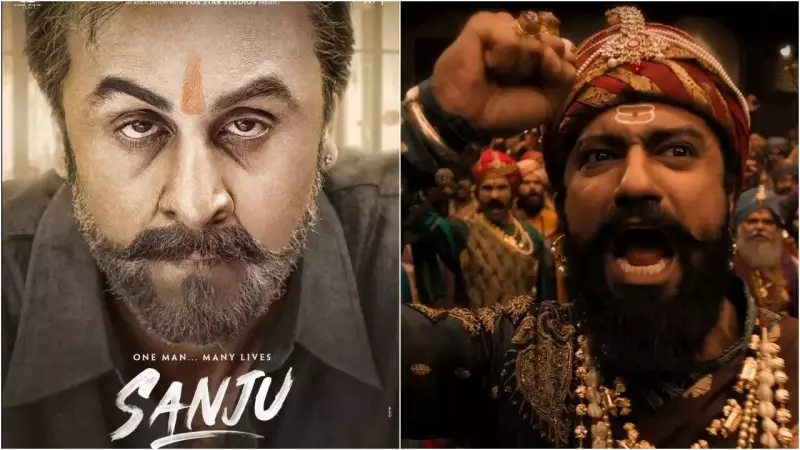
Biographical films, or biopics, frequently face scrutiny for their selective storytelling. A prime example is Rajkumar Hirani's 2018 film 'Sanju', which chronicled the tumultuous life of actor Sanjay Dutt. While the film focused on his emotional struggles and personal relationships, it was widely criticized for downplaying Dutt's serious involvement in the 1993 Mumbai blasts case. The narrative framed him largely as a misunderstood individual caught in difficult circumstances, leaving many contentious aspects of his life simplified or unresolved. This approach resulted in a portrayal that some felt was one-sided, prioritizing empathy over a more unvarnished examination of facts.
Similarly, the 2016 film 'Neerja', starring Sonam Kapoor, celebrated the immense courage of flight attendant Neerja Bhanot during the 1986 Pan Am flight hijacking. The movie was lauded for its powerful performances and tribute to the heroine. However, it subtly addressed the lapses in airport and airline security prevalent at the time, choosing instead to keep the spotlight firmly on Neerja's bravery. This focus on heroism, while emotionally resonant, meant the film did not deeply probe the systemic failures or lesser-known details surrounding the tragic incident.

True Crime and History: Navigating Unpleasant Truths
The true-crime genre also grapples with this dilemma. Meghna Gulzar's 2015 film 'Talvar' presented a nuanced look at the Aarushi-Hemraj double murder case by employing a Rashomon-effect structure to show multiple perspectives. Despite its ambitious narrative, the film consciously avoided engaging with some of the more disturbing and controversial elements of the real investigation and media coverage. Certain theories and occurrences were reportedly shelved to sidestep potential legal issues and to avoid making audiences too uncomfortable, illustrating the commercial pressures that shape such narratives.
The trend extends to historical dramas as well. The recent film 'Chhaava', based on the life of Chhatrapati Sambhaji Maharaj, has reignited discussions about the 'cleaning up' of history. Sambhaji Maharaj's real story is marked by brutal warfare, intense political intrigue, and profound personal hardship. Yet, the cinematic adaptation opted for a more accessible and less gritty approach suitable for the average moviegoer, inevitably smoothing over the raw, complex edges of the historical record.
The Fine Line Between Storytelling and Authenticity
These examples underscore a persistent tension in Indian cinema. Films serve as a powerful medium to connect viewers with remarkable stories, but the process often involves a degree of compromise. The need for narrative cohesion, audience comfort, box-office success, and sometimes legal safety can lead to a divergence between actual life and reel life. The central contradiction lies in determining how much reality can be sacrificed in the name of storytelling without losing the essence of the truth that made the story compelling in the first place. As audiences become more discerning, the demand for authentic, warts-and-all portrayals may push filmmakers to tread that thin line with greater care.