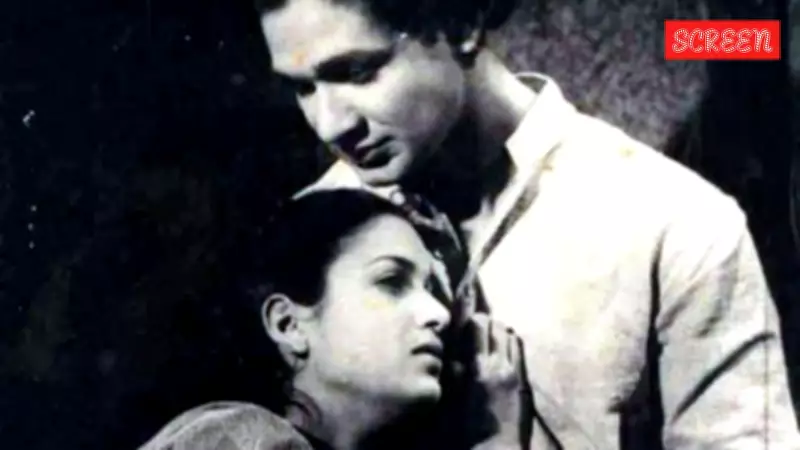
The Untold Story of India's First Cannes Winner: A Film Rejected for Lacking Songs
In 1946, as India stood on the brink of independence, filmmaker Chetan Anand crafted a cinematic masterpiece that would etch its name in global history, yet fade into obscurity in its homeland. Neecha Nagar, his directorial debut, not only introduced talents like actor Kamini Kaushal and legendary music director Ravi Shankar but also became the first Asian film to win the Grand Prix at the inaugural Cannes Film Festival, sharing the honor with 11 other films out of 18 in competition. This victory marked a pivotal moment for Indian cinema on the world stage, but back home, the film faced a startling rejection from Bollywood distributors for one simple reason: it had no songs.
A Historic Triumph Overshadowed by Domestic Neglect
Despite its international acclaim, Neecha Nagar struggled to find an audience in India. Ketan Anand, Chetan Anand's son, reflected on this paradox in the Unheard Tales Podcast, noting that while the film earned his father global recognition, it remained largely unknown domestically. He revealed that even iconic filmmaker Satyajit Ray was deeply influenced by Neecha Nagar, writing that after watching it, he was inspired to leave his job and pursue filmmaking. This underscores the film's profound impact on cinematic visionaries, yet its commercial failure in India highlights the era's narrow focus on entertainment over artistry.
Political Undertones and International Fascination
The film's allegorical narrative, a Hindi adaptation of Maxim Gorky's The Lower Depths, reimagined social inequalities within an Indian context, portraying the exploitation of residents in Neecha Nagar by the elite of Ooncha Nagar. This bold metaphor for British colonial rule resonated abroad, particularly in France, where it was honored at Cannes. Ketan Anand explained that while India was engrossed in the freedom struggle, France was captivated by the film's intellectual depth. The British administration, led by Lord Mountbatten, was initially skeptical of the French jury's decision, arranging a special screening with Jawaharlal Nehru. Surprisingly, they appreciated the film for its nuanced criticism, viewing it as evidence of their fair governance, and even recommended its release across India.

Bollywood's Commercial Barriers and Lasting Legacy
However, distributors in India refused to support Neecha Nagar, citing the absence of songs, dance, and romance—key elements of mainstream Bollywood at the time. This led to only a token release in a single theatre, denying the film the widespread recognition it deserved. Despite this, history remembers Neecha Nagar as a pioneering work that conquered global accolades before its own country was ready to embrace its innovative spirit. Its story serves as a poignant reminder of the challenges faced by artistic cinema in commercial landscapes, and its legacy continues to inspire filmmakers worldwide.