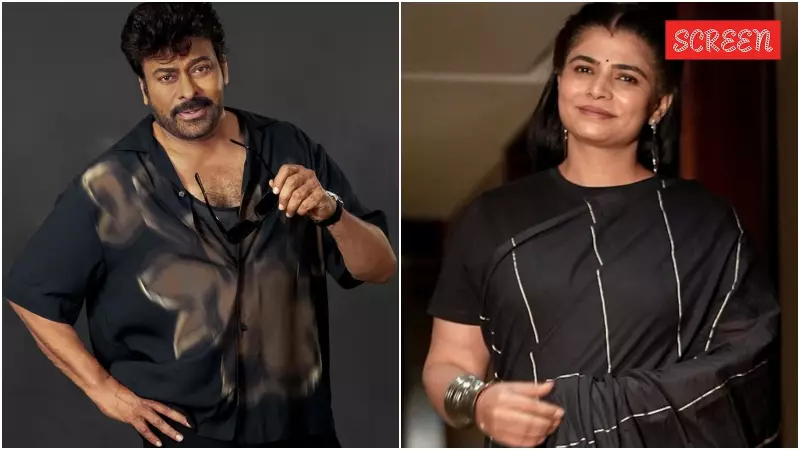
Chinmayi Challenges Chiranjeevi's Casting Couch Statement with Personal Account
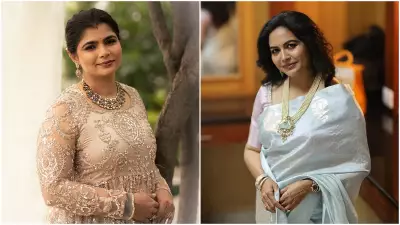
Prominent singer and voice actor Chinmayi Sripada has issued a powerful response to Telugu cinema megastar Chiranjeevi's recent comments dismissing the existence of casting couch in the film industry. In a detailed social media post, Chinmayi not only contradicted the veteran actor's claims but also shared her own traumatic experience of assault, highlighting the persistent challenges women face in entertainment sectors.
Direct Refutation of Industry Denial
Chinmayi categorically stated that Chiranjeevi's assertion about the non-existence of casting couch is fundamentally incorrect. She emphasized that numerous men in positions of power continue to believe they are entitled to sexual favors from women seeking opportunities. "Men remain in positions where they believe they are entitled to, and will demand and expect sexual favours from women," she wrote in her post, directly addressing the controversy that emerged after Chiranjeevi's public remarks during a film celebration event in Hyderabad.
Personal Trauma and Industry Realities
The singer revealed disturbing details about her own experience with lyricist-poet Vairamuthu, stating she was "barely an adult out of my teens" when the incident occurred. Chinmayi described how she respected him as a mentor and legendary figure in the industry, never considering him unsafe. "My mother was literally in the same premises—he molested me anyway. Having a parent around also changes nothing with men like this," she shared, challenging victim-blaming narratives.

She further explained that women are frequently denied roles if they refuse to offer "full commitment"—a term she identified as a widely understood euphemism for sexual favors within film circles. This practice, according to Chinmayi, remains rampant despite public discussions about workplace safety and equality.
Broader Industry Patterns Revealed
Beyond her personal account, Chinmayi cited multiple other incidents that demonstrate systemic issues:
- A perpetrator associated with the film industry attempted to sexually assault a female musician in a studio, with the victim locking herself in a sound booth for safety before being rescued by a senior professional
- A male singer who consistently misbehaved with women and engaged in cyberflashing
- The generational gap in understanding MeToo revelations, with some veteran artists even insulting women who exposed their molesters
Context of Chiranjeevi's Controversial Remarks
The controversy originated when Chiranjeevi, during a success celebration for his film Mana Shankara Vara Prasad Garu, suggested that negative experiences in the industry result from individual behavior rather than systemic problems. "If you are strict and serious, no one would take advantage of you. There won't be any casting couch. It depends on your behaviour," the actor stated, adding that the industry functions like a mirror reflecting one's own attitude and professionalism.
Chinmayi directly addressed this perspective, noting that Chiranjeevi comes from a generation where relationships between male and female co-artists were different, often involving mutual respect among established legends. She suggested this background might limit understanding of contemporary realities where power imbalances enable exploitation.
Broader Implications for Film Industry
This exchange highlights ongoing tensions between different generations in Indian cinema regarding workplace ethics and gender dynamics. While veteran artists like Chiranjeevi emphasize personal responsibility and professional conduct, younger artists like Chinmayi point to structural problems that enable harassment regardless of individual behavior.
The discussion also underscores how euphemistic language like "full commitment" can mask coercive practices, creating environments where exploitation becomes normalized under professional terminology. Chinmayi's testimony adds to growing documentation of challenges women continue to face in entertainment industries despite increased awareness following the MeToo movement.

As this conversation develops, it raises important questions about accountability, generational perspectives on workplace safety, and the need for concrete institutional changes to protect vulnerable individuals entering creative fields. The contrasting viewpoints between established male stars and women who have experienced exploitation firsthand reveal significant gaps in understanding that must be bridged for meaningful progress.