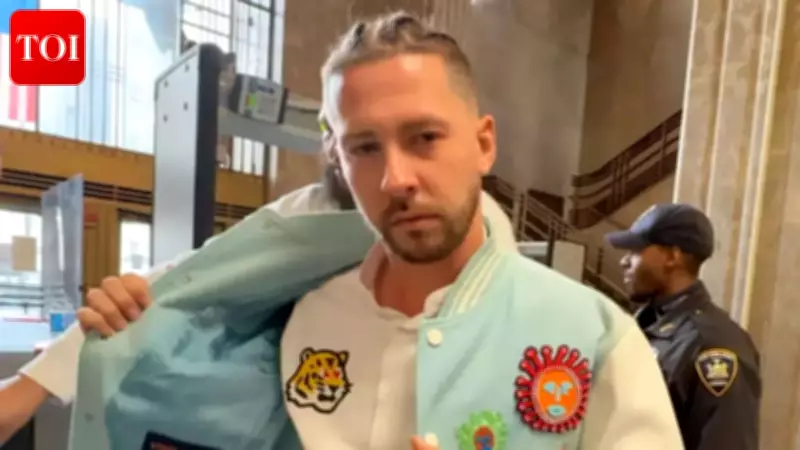
Cyndi Lauper's Son Declyn 'Dex' Lauper Avoids Prison Time in 2024 Gun Case
Declyn "Dex" Lauper, the son of legendary pop star Cyndi Lauper, will not be serving any time in prison for his 2024 gun-related charges. According to recent reports, Lauper entered a guilty plea nearly two years after the initial incident occurred. He reportedly negotiated a deal that ensures he remains under probation without facing incarceration.
Details of the Plea Agreement and Probation Terms
As part of the plea deal, Lauper will be placed on probation with specific conditions. He must remain completely arrest-free for at least one year and attend a substance abuse treatment program. Additionally, if he successfully meets all terms after a year, he will be permitted to request that his charge be reduced to a non-violent felony, specifically criminal possession of a firearm.
This outcome starkly contrasts with the potential consequences he faced. Had Lauper been convicted at trial, he could have been sentenced to serve up to seven years in jail. The plea agreement thus represents a significant legal reprieve for the defendant.

Background on the 2024 Harlem Shooting Incident
In 2024, Lauper was arrested following the shooting of a 24-year-old man in Harlem. Reports indicate that at the time of the incident, he was carrying a fanny pack containing a firearm. This led to the filing of a criminal complaint, which was subsequently enhanced with two additional charges based on allegations that he possessed the gun "with intent to use it unlawfully against another."
The case has drawn considerable public attention due to Lauper's high-profile family connection. His mother, Cyndi Lauper, is an internationally renowned singer and actress, known for hits like "Girls Just Want to Have Fun" and "Time After Time."
Legal Implications and Future Proceedings
The resolution of this case highlights the complexities of plea bargaining in the criminal justice system. By accepting the deal, Lauper avoids a lengthy prison sentence but must adhere to strict probationary requirements. His compliance with these terms will be closely monitored by legal authorities.
Substance abuse treatment, as mandated in the agreement, is often a critical component in such cases, aiming to address underlying issues that may contribute to criminal behavior. The requirement to remain arrest-free underscores the conditional nature of his freedom.
Looking ahead, if Lauper fulfills all conditions, his ability to plead for a charge reduction could have long-term implications for his criminal record. This aspect of the deal offers a pathway to potentially mitigate the severity of the felony on his record, though it remains contingent on his ongoing adherence to the court's directives.