Deadline's Cultural Confusion: Sitarist Pandit Ravi Shankar Mistaken for Spiritual Leader in Beatles Biopic Announcement
A prominent US entertainment media outlet has drawn significant online attention after confusing legendary sitarist Pandit Ravi Shankar with spiritual leader Sri Sri Ravi Shankar in a social media post about an upcoming Beatles biopic. The notable mix-up quickly circulated across digital platforms, with numerous users highlighting the error and initiating broader conversations about the critical importance of accuracy when covering globally significant cultural figures from diverse backgrounds.
The Erroneous Announcement and Immediate Online Reaction
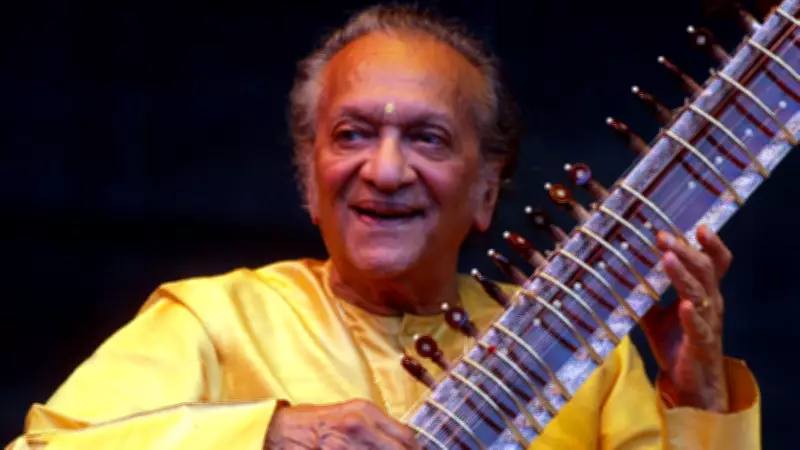
The now-deleted post by entertainment news publication Deadline announced that acclaimed actor Farhan Akhtar would portray Pandit Ravi Shankar in a forthcoming Beatles biopic directed by Oscar-winning filmmaker Sam Mendes. In a glaring error, the outlet mistakenly used a photograph of Sri Sri Ravi Shankar instead of the iconic musician who played a pivotal role in introducing Indian classical music to Western audiences through his profound association with Beatles guitarist George Harrison.
Social media users were exceptionally quick to flag this significant mistake, noting that while the two public figures share similar names, they possess completely distinct identities, careers, and cultural contributions. Film critics, cultural commentators, and everyday observers shared multiple screenshots of the erroneous post, drawing widespread attention to the mix-up and highlighting how easily such fundamental errors can occur within fast-moving digital news environments where verification processes sometimes falter.

Widespread Discussion and Cultural Implications
The discussion generated thousands of reactions, shares, and comments across various platforms. Many users treated the error with humour, creating memes and light-hearted remarks that contributed to the post's wider visibility and viral spread. However, numerous others used the incident as a serious reminder of the ongoing need for careful, respectful representation of non-Western cultural figures in international media coverage.
For many observers, this confusion highlighted the persistent challenges global media faces when covering cultures outside its immediate sphere of familiarity. This is particularly relevant in high-profile projects such as a major Beatles biopic, where Indian music and philosophy played a genuinely meaningful and transformative role in the band's artistic evolution and history.
Distinguishing Two Iconic Figures
Pandit Ravi Shankar is universally regarded as one of the most influential musicians of the 20th century. He is celebrated globally for popularising Indian classical music worldwide and for his deep, collaborative relationship with George Harrison of The Beatles, which significantly shaped the band's later work and introduced millions to Indian sounds.
Sri Sri Ravi Shankar, by contrast, is a contemporary spiritual leader and founder of the Art of Living Foundation. He is known primarily for his teachings, meditation techniques, and extensive humanitarian initiatives rather than any musical contributions, making the visual confusion particularly jarring for those familiar with both individuals.
Calls for Editorial Diversity and Future Considerations
Online commentary also turned toward the substantial value of diverse editorial perspectives in international media. Several users and industry observers suggested that greater involvement of South Asian journalists, cultural consultants, and editors in global entertainment coverage could help prevent similar mix-ups in the future. This is especially crucial as Hollywood continues to expand its storytelling to include narratives that cross cultural and geographical boundaries with increasing frequency.

The incident serves as a potent case study in cultural literacy, reminding media organizations that thorough research and sensitivity are essential when reporting on figures from diverse backgrounds. As global entertainment becomes more interconnected, the demand for accurate, nuanced representation only grows stronger, making such errors both more noticeable and more consequential for public perception and trust.