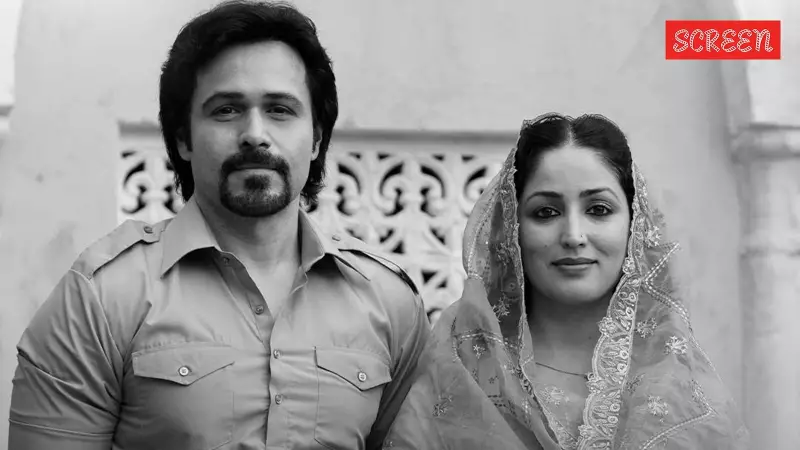
Bollywood actor Emraan Hashmi has sparked a conversation by openly stating that many male actors in the film industry are plagued by insecurity. He questioned how many would willingly take on roles like the one he played in the recent period drama 'Haq', which is now gaining significant attention after its OTT release.
Why 'Haq' Finds Few Takers in Bollywood
In a candid interview with News18, Hashmi reflected on his role as Mohammad Abbas Khan, the husband to Yami Gautam's Shazia Bano in 'Haq'. The film, inspired by the landmark 1985 Shah Bano case, did not perform as expected in theatres but has found its audience on streaming platforms. It has even garnered praise from figures like Alia Bhatt and Karan Johar.
"Men in our industry are very insecure," Hashmi claimed. "How many people would've done a film like Haq? Every narrative should showcase a man's victory." He cited his past choice of doing a film like 'The Dirty Picture' as an example of moving beyond such insecurities to back compelling subjects.

The 'Hyper-Masculine' Formula & The Success of 'Animal'
Hashmi directly addressed the massive box office success of Sandeep Reddy Vanga's controversial 2023 film, 'Animal', starring Ranbir Kapoor. He argued that its triumph is a clear indicator of audience preference. "Why did a film like Animal work?" he asked, pointing out that despite backlash from what he termed the 'woke brigade', a vast number of men identified with its hyper-masculine lead.
He drew a parallel to the 1970s and 80s cinema, stating, "In the 70s and the 80s, the hypermasculine era of Amitabh Bachchan and Vinod Khanna gave us films like Deewar and Trishul that worked." According to Hashmi, the current theatrical landscape demands similar tropes—a hyper-masculine man, clear villains, and familiar clichés—because that is what sells tickets.
Audience Reality vs. Woke Culture
The actor criticised the pervasive influence of social media-driven woke culture, which often calls out the glorification of toxic masculinity in films. However, he emphasised that the commercial reality tells a different story. "The hypermasculine man who's seen as toxic is what's doing in theatres," he stated bluntly. "There's an uproar surrounding it, but that's what people are buying tickets for. That's predominantly how our country is."
Hashmi's comments highlight a perceived disconnect between online discourse and the choices of the mass audience, particularly male viewers who form a dominant segment of the theatrical crowd. He urged the industry to recognise this audience pulse while also encouraging actors to shed their insecurities and embrace diverse, challenging roles beyond the typical 'victorious hero' archetype.