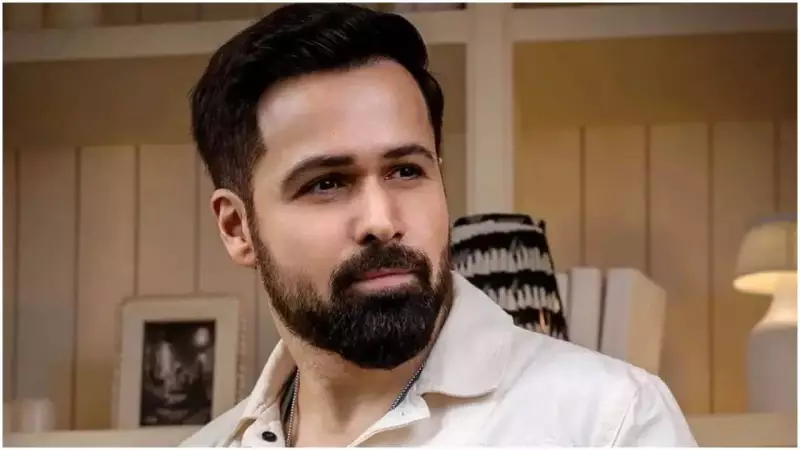
Bollywood actor Emraan Hashmi has shared his candid views on the prevailing trend of hypermasculinity in Indian cinema, explaining the box office success of films like Ranbir Kapoor's 'Animal'. In a recent interview, he also expressed a desire to see producers back more women-centric narratives.
Hashmi's Take on Hypermasculinity and Woke Culture
Speaking to News18 Showsha, Emraan Hashmi addressed the intense social media debate surrounding hypermasculine portrayals in movies. He directly criticized the rise of what he termed "woke culture." "There's a huge uproar because a woke culture has started off through social media and generally around the world," Hashmi stated.
He argued that despite the controversy, this archetype is what draws audiences to theaters. "The hypermasculine man who's seen as toxic is what's doing in theaters. There's an uproar surrounding it, but that's what people are buying tickets for. That's predominantly how our country is," the actor explained.

Why 'Animal' Became a Box Office Juggernaut
Hashmi said he completely understands the phenomenal success of Sandeep Reddy Vanga's 'Animal', starring Ranbir Kapoor. He acknowledged the backlash from certain quarters but highlighted a key factor for its victory. "Why did a film like 'Animal' work? Yes, there was a woke brigade working against it. There was a perception to that. But there were so many men identifying with it," he analyzed.
He elaborated that the traditional, crowd-pleasing formula remains potent. "You need a hyper-masculine man, a villain, the tropes, the clichés. It's very evident that it's what the audience wants. This kind of portrayal has always worked," Hashmi added, citing the iconic 70s and 80s era of Amitabh Bachchan and Vinod Khanna in films like 'Deewar' and 'Trishul'.
The Call for Balance and Evolution of Heroes
While dissecting the market for masculine-driven stories, Emraan Hashmi also stressed the need for diversity. "There's also a space for women-centric films, though not many at this point," he said. He admitted that creating successful female-led projects is challenging, noting, "It's easier said than done."
Hashmi traced the evolution of the Hindi film hero, pointing out that the hypermasculine 70s-80s gave way to the "soft boy era" of the 90s, defined by the romantic roles of Aamir Khan, Shah Rukh Khan, and Salman Khan. He described the current period as a "transition phase" where a new slew of films is creating uproar and conversation.
Emraan Hashmi will next be seen in the sequel 'Awarapan 2'.