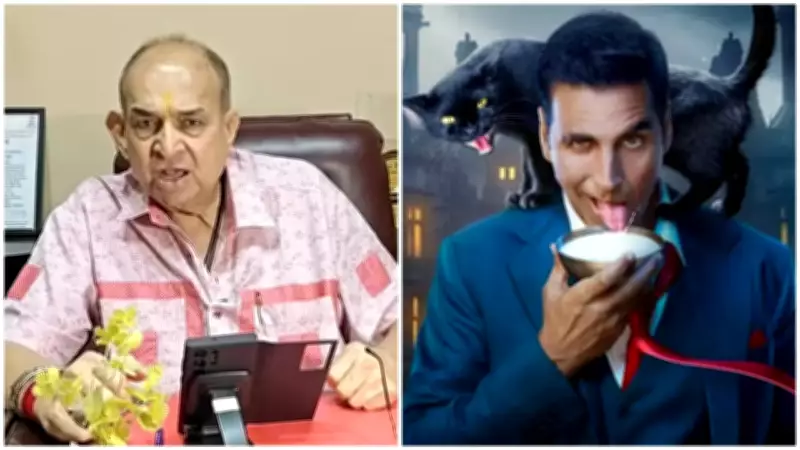
Mumbai Film Exhibitor Manoj Desai Blasts Bhooth Bangla Release Tactics
Prominent Mumbai film exhibitor Manoj Desai has launched a scathing critique against the release strategy for Priyadarshan's upcoming horror-comedy Bhooth Bangla, starring Akshay Kumar. Desai, who serves as Executive Director of the iconic G7 Multiplex (Gaiety Galaxy) and Maratha Mandir Cinema, alleges that the decision to delay advance bookings is causing significant harm to single-screen theatres across the country.
"They Want to Finish Single Screens"
In an exclusive interview with FilmiFever, Desai expressed his frustration with what he perceives as deliberate attempts to undermine traditional cinema halls. "This isn't just restriction—they want to finish single screens. If you don't let theatres run, shame on you," Desai declared passionately.
The veteran exhibitor revealed he even attempted to contact Akshay Kumar directly about the issue. "My biggest complaint is this... I tried reaching Akshay two or three times on voicemail. He should understand because they have stopped advance booking. They want to see how the film performs first before opening bookings. I am totally against that," Desai explained, adding that this protest was the primary reason for granting the interview.

Audience Inconvenience and Economic Impact
Desai highlighted the practical problems created by the delayed booking strategy. "People travel from far distances only to discover bookings aren't open. Why are they doing such injustice to single screens?" he questioned.
The exhibitor also addressed the economic disparity between multiplexes and single-screen theatres. "Even with lower rates, audiences flock to our theatres. Not everyone can afford Rs 500-600 tickets in today's economy. Look at the economic situation... and at such times you don't let theatres operate properly," Desai argued, emphasizing the accessibility single screens provide to diverse audiences.
Historical Comparisons and Industry Patterns
Drawing from cinema history, Desai pointed to the enduring success of Dilwale Dulhania Le Jayenge as evidence of what proper release strategies can achieve. "DDLJ has been running for 30-40 years... audiences come from everywhere," he noted, stressing the importance of audience access.
He also cited the smoother release of Dhurandhar as a positive example. "During Dhurandhar's time, nothing was delayed. Advance booking opened immediately. South Indian filmmakers have better sense... here there's no understanding," Desai added, suggesting regional industries handle releases more effectively.
The Broader Industry Crisis
Desai emphasized that this issue extends far beyond one film. "This isn't just about one movie—every distributor does this. Supporting single-screen theatres is crucial. If cinema is surviving, it's because of single screens," he asserted, calling them the backbone of the Indian film industry.
Despite his concerns, Desai maintained that exhibitors like himself will continue adapting to challenges. He indicated they might opt for alternative films to keep theatres operational if mainstream releases continue with problematic strategies.
Industry Implications and Future Concerns
The controversy raises important questions about distribution practices in Bollywood:
- Accessibility vs. Profit Maximization: How do release strategies balance commercial interests with audience access?
- Single-Screen Survival: What role should traditional theatres play in India's evolving cinema landscape?
- Regional Differences: Why do release strategies vary between different Indian film industries?
- Economic Considerations: How do ticket pricing strategies affect different audience segments?
Desai's passionate defense of single-screen theatres comes at a critical juncture for Indian cinema, as streaming platforms and multiplexes continue to reshape viewing habits. His comments highlight the ongoing tension between traditional exhibition models and modern distribution strategies in an industry undergoing rapid transformation.