Film Analysis: How 'Haq' Recasts Shah Bano Story Through Majoritarian Lens
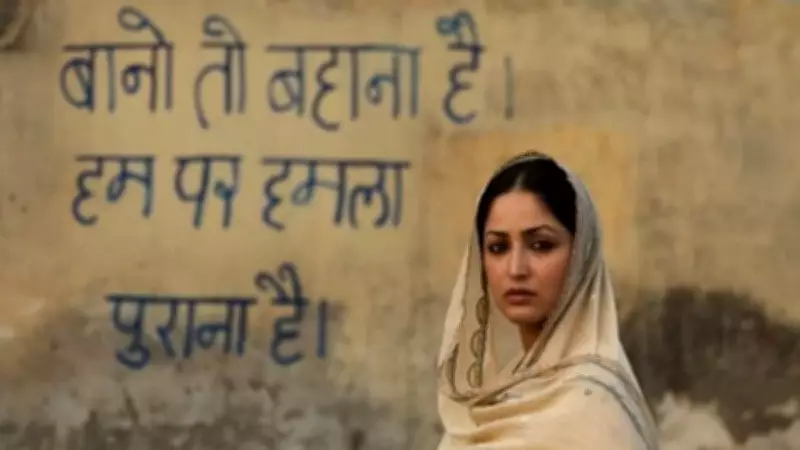
A recent film titled 'Haq' has sparked significant debate for its portrayal of the historic Shah Bano case, with critics arguing it employs majoritarian frames to reshape the narrative. The film, which delves into one of India's most contentious legal and social issues, is accused of offering a State-centered account of reform, where change appears to emanate solely from governmental actions.
State-Centered Narrative Overshadows Grassroots Efforts
By reducing the complex history of the Shah Bano case to a sequence of State actions, 'Haq' presents a perspective where reform is depicted as coming from above. This approach minimizes the sustained labor and activism of Muslim women and their allies, who played a pivotal role in advocating for rights and justice. The film's framing suggests that legislative and judicial decisions were the primary drivers of change, ignoring the grassroots movements and personal struggles that fueled the discourse.
Historical Context and Modern Implications
The Shah Bano case, which unfolded in the 1980s, involved a Muslim woman seeking maintenance from her husband after divorce, leading to a landmark Supreme Court judgment and subsequent political backlash. 'Haq' revisits this episode, but critics contend it does so through a lens that prioritizes State intervention over community agency. This recasting raises questions about how historical narratives are constructed in popular media and their impact on contemporary understandings of social reform.

Criticism from Scholars and Activists
Analysts like Eesha Shrotriya and Shantanu Pachauri have highlighted that the film's narrative risks erasing the contributions of Muslim women and their supporters. They argue that by focusing on top-down reforms, 'Haq' fails to acknowledge the resilience and advocacy that have been central to ongoing struggles for gender justice within Muslim communities. This omission is seen as a disservice to the historical record and the ongoing efforts for equality.
In summary, 'Haq' offers a reinterpretation of the Shah Bano story that emphasizes State actions, potentially at the expense of recognizing the vital role played by individuals and groups at the grassroots level. This analysis invites viewers to critically engage with how films shape public memory and the importance of inclusive storytelling in depicting social movements.