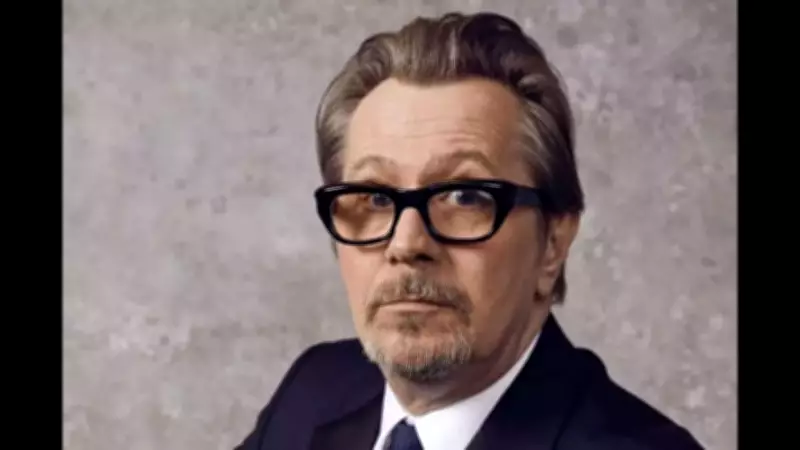
Gary Oldman's Philosophy: Acting as Illusion, Not Reality
Academy Award-winning actor Gary Oldman is universally celebrated for his extraordinary ability to completely transform for every character he embodies. Throughout his illustrious career, this remarkably versatile performer has masterfully portrayed historical figures, menacing villains, and heroic protagonists, demonstrating an unparalleled range that few can match.
The Core of Performance: Creating Believable Illusions
Reflecting deeply on the essence of performance, Oldman once shared a profoundly insightful perspective about the craft of acting. His powerful statement captures the very heart of what makes great performances memorable and impactful.
Quote of the day by Gary Oldman: "Acting is illusion, as much illusion as magic is, and not so much a matter of being real."

Through this compelling quote, Oldman emphasizes that acting fundamentally involves constructing a convincing illusion rather than merely recreating reality on screen. Like a skilled magician meticulously crafting an astonishing trick, actors depend on sophisticated technique, boundless imagination, and profound emotional depth to make their performances feel authentic and believable.
In the world of cinema, numerous elements—from meticulously designed sets and carefully chosen costumes to strategic lighting and precisely written dialogue—all collaborate to create a fictional universe. The actor's crucial role is to breathe life into that world so convincingly that audiences temporarily forget everything is carefully constructed artifice.
Iconic Performances That Demonstrate Oldman's Philosophy
Oldman's extensive career provides numerous brilliant examples of this philosophy in action. His stunning portrayal of Winston Churchill in 'Darkest Hour' showcased a complete physical and emotional transformation that earned him the prestigious Academy Award for Best Actor. This demanding role required him to adopt Churchill's distinctive voice, characteristic mannerisms, and complex personality, resulting in one of the most memorable portrayals of the British leader ever captured on screen.
Simultaneously, his role as Commissioner James Gordon in Christopher Nolan's groundbreaking 'The Dark Knight' trilogy demonstrated how subtle, nuanced performances can bring remarkable depth and genuine sincerity to large-scale cinematic stories. Even within a superhero franchise filled with spectacular visual effects and dramatic action sequences, Oldman's grounded, authentic acting added significant emotional weight and credibility to the narrative.
Another striking example of his incredible range appears in 'Léon: The Professional,' where he delivered an intensely unpredictable and chilling performance as the antagonist Norman Stansfield. This character remains one of the most iconic villains in modern cinema history, powerfully highlighting Oldman's exceptional ability to disappear completely into drastically different roles.
The Magic of Cinema: When Illusion Becomes Reality
By describing acting as an art of illusion, Oldman reminds us that cinema itself is fundamentally built upon imagination and creative construction. When a performance becomes sufficiently convincing, audiences naturally stop thinking about the actor behind the role and begin seeing only the character. That precise moment represents when the true magic of acting comes vibrantly alive, transforming storytelling into an immersive, captivating experience for viewers worldwide.
This philosophy extends beyond individual performances to encompass the entire cinematic experience, where the collaborative efforts of countless artists create worlds that feel real despite their fictional nature. Oldman's insights offer valuable perspective on why certain performances resonate so deeply and why cinema continues to captivate global audiences across generations.