Ricky Gervais Rekindles Debate Over Celebrity Activism After 2026 Grammy Awards
British comedian Ricky Gervais has reignited a heated debate about celebrity activism following the 2026 Grammy Awards, taking direct aim at award winners who transformed their acceptance speeches into platforms for political statements. In a move that echoes his longstanding criticism of Hollywood politics, Gervais has once again positioned himself as a vocal opponent of performers using awards ceremonies to advocate for social causes.
Social Media Criticism and Historical Context
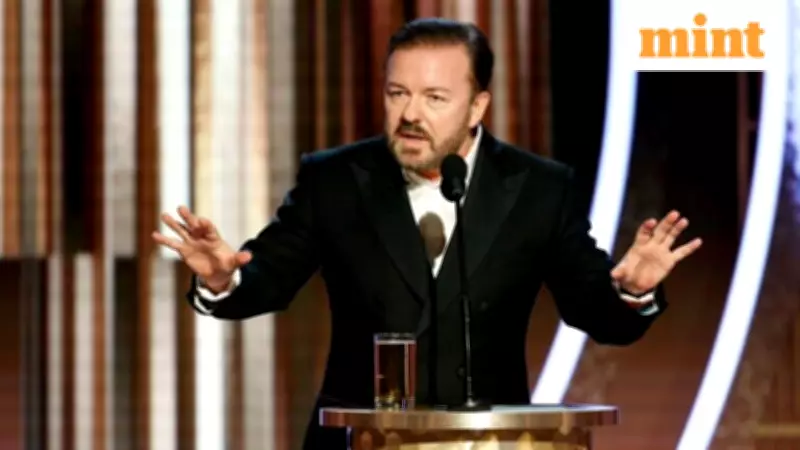
Shortly after the Grammy ceremony concluded, Gervais took to social media platform X to share a memorable quote from his controversial 2020 Golden Globes monologue. In that now-famous address, he had explicitly warned performers against turning awards shows into venues for political commentary. His recent post featured the caption "They're still not listening (sic)," accompanied by symbolic imagery suggesting artists had once again disregarded his advice.
The original 2020 monologue contained the pointed remark: "If you do win an award tonight, don't use it as a political platform to make a political speech. You're in no position to lecture the public about anything. You know nothing about the real world. Most of you spent less time in school than Greta Thunberg." This perspective has resurfaced repeatedly as Gervais continues to challenge celebrities who speak out on issues from prestigious stages.

This marks not the first instance of Gervais reposting this message. He previously shared the identical statement following the 2025 Emmy Awards before removing it shortly afterward. That ceremony saw Hacks actress Hannah Einbender using her acceptance speech to deliver explicit political commentary regarding immigration policies and international conflicts.
The 2026 Grammy Awards: A Platform for Political Expression
The 2026 Grammy Awards, held on February 1, 2026, gained significant attention for the numerous artists who addressed contemporary political issues during their acceptance speeches. The ceremony became particularly notable for its focus on U.S. Immigration and Customs Enforcement (ICE) policies and immigrant rights, with several major winners utilizing their moments in the spotlight to advocate for change.
Billie Eilish, who won Song of the Year for 'Wildflower,' openly criticized ICE during her acceptance speech while wearing an "ICE Out" pin. Her comments included the powerful statement: "No one is illegal on stolen land... we just need to keep fighting and speaking up and protesting, and our voices really do matter, and the people matter."
Puerto Rican artist Bad Bunny continued this political tone after winning Album of the Year and Best Música Urbana Album for Debí Tirar Más Fotos. He began his speech by declaring "ICE out!" and spoke passionately about humanity, love, and the need for compassion rather than division. His remarks emphasized that immigrants and their families deserve dignity and proper recognition within society.
This trend extended beyond explicit ICE criticism. Olivia Dean, winner of Best New Artist, dedicated her award to her immigrant heritage, describing herself as a "product of bravery" and calling for greater celebration of immigrant communities. Similarly, Shaboozey, accepting his first Grammy for Best Country Duo/Group Performance, emphasized how immigrants have historically helped build the country while enriching its cultural traditions.
Mixed Reactions and Broader Implications
The response to Gervais's social media post revealed deeply divided public opinion. Supporters of the artists argued that speaking out at global events like the Grammys represents an essential aspect of modern celebrity responsibility, reflecting real-world issues that music has traditionally engaged with throughout history.

Critics of Gervais suggested that celebrities addressing matters such as immigration and human rights should be viewed through a lens of empathy rather than dismissed as out-of-touch commentary. One social media user commented: "Privilege is a helluva drug. Imagine being so unaffected by the plight of those less fortunate than you, that a few words said on behalf of them seem more unbearable than the reality that those things are happening."
Conversely, another respondent noted: "Of course they are not listening... I think some study indicated that about 0.0086% of the world's population is considered famous and lives extremely different lives than all other people... so of course they feel a need to tell the rest of us how the world works according to them."
Some commentators also highlighted Gervais's established history of stirring controversy when confronting political speech within entertainment contexts, suggesting this latest intervention follows a consistent pattern in his public persona.
Lasting Impact and Cultural Significance
The 2026 Grammy Awards will likely be remembered not merely for musical achievements or high-profile wins, but for the substantial political statements delivered from the stage and the vigorous debate they ignited regarding the appropriate role of artists in social and political discourse. This conversation continues to evolve, with figures like Ricky Gervais remaining actively engaged in challenging what they perceive as the over-politicization of entertainment platforms.
The ongoing tension between celebrity activism and criticism thereof reflects broader cultural questions about the intersection of entertainment, politics, and social responsibility in contemporary society. As awards seasons continue, this debate shows no signs of diminishing, ensuring that future ceremonies will likely face similar scrutiny regarding the balance between artistic celebration and political expression.