Hollywood Stars Who Shared Screen With Michael Jackson in Iconic Music Videos
Michael Jackson didn't just create music videos; he crafted cinematic masterpieces that transformed the music industry. His groundbreaking visual works often featured famous Hollywood faces, turning each release into a cultural event that blended music, storytelling, and star power.
The Evolution of Jackson's Video Collaborations
From the early 1980s through the 2000s, Michael Jackson consistently elevated the music video format by incorporating established and emerging Hollywood talent. These collaborations weren't mere cameos but integral elements that enhanced the narrative depth and emotional resonance of his visual storytelling.
Groundbreaking Video Appearances That Made History
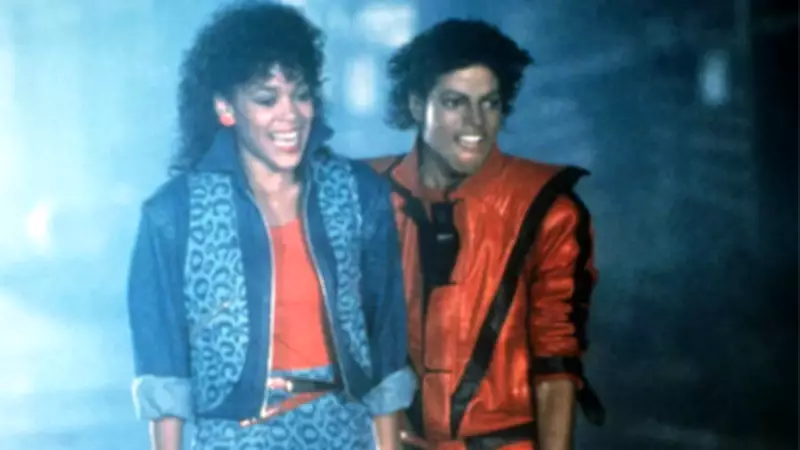
'Thriller' (1983) - Ola Ray's Transformative Role

Before zombies became mainstream entertainment, Michael Jackson revolutionized horror in music with his 1983 masterpiece 'Thriller.' Ola Ray's presence as Jackson's love interest provided crucial emotional grounding to the supernatural narrative. Her performance created genuine chemistry that made the horror elements feel surprisingly tender and human. This landmark video earned multiple MTV Video Music Awards and set new standards for music video production.
'Bad' (1987) - Wesley Snipes' Raw Intensity
Directed by legendary filmmaker Martin Scorsese, the 'Bad' music video featured Wesley Snipes in a career-defining role that preceded his Hollywood stardom. Snipes brought authentic street-level intensity to the subway confrontation scenes, making Jackson's transformation into a tougher persona completely believable. The video's cinematic quality and tension helped it become a defining moment in pop culture history, with the song winning an American Music Award.
'Liberian Girl' (1989) - A Star-Studded Cameo Celebration
This innovative video turned celebrity appearances into its central concept. Rather than featuring prominently himself, Jackson revealed he was directing a room filled with Hollywood royalty including Paula Abdul, Dan Aykroyd, Danny Glover, John Travolta, Olivia Newton-John, Corey Feldman, and Steven Spielberg. The result was a warm, celebratory parade of famous faces that emphasized Jackson's creative vision behind the camera.
Cultural Impact Through Strategic Casting
'Black or White' (1991) - Blending Message With Entertainment
Jackson's casting choices in 'Black or White' transformed a social message into accessible entertainment. Macaulay Culkin's playful rebellion contrasted perfectly with Tess Harper and George Wendt's believable family dynamics. Tyra Banks made an early career appearance, while the groundbreaking face-morphing sequence demonstrated technical innovation with emotional depth. The song became a worldwide chart-topper and cultural touchstone.
'In The Closet' (1992) - Naomi Campbell's Powerful Presence
Pairing with supermodel Naomi Campbell created one of Jackson's most visually striking videos. Set against stark desert landscapes, the video communicated desire and tension through body language and glances rather than dialogue. This fashion-forward approach earned award recognition and continues to be studied for its sophisticated stylization of intimate themes.
'Jam' (1992) - Michael Jordan's Cultural Crossover
The collaboration between two cultural icons - Michael Jackson and basketball legend Michael Jordan - created a perfect moment of 1990s cool. Their playful competition between dance moves and basketball skills felt authentic and respectful, capturing the essence of crossover appeal. The Grammy-nominated track and video became a time capsule of early-90s confidence and cultural exchange.
Epic Storytelling Through Celebrity Ensemble
'Remember The Time' (1992) - Ancient Egypt Comes Alive
This lavish production transformed into a mini-epic through its star-studded cast. Eddie Murphy provided comic relief, supermodel Iman brought regal elegance, Magic Johnson added gravitas, and Tom "Tiny" Lister Jr. supplied physical presence. Together, they created a royal court that made Jackson's dance performance feel like a historic event rather than mere entertainment.

'You Are Not Alone' (1995) - Intimate Vulnerability
Featuring Jackson's then-wife Lisa Marie Presley created unprecedented intimacy in this video. The soft lighting, marble settings, and quiet closeness between the couple transformed the visual into a personal statement. The song made history by debuting at number one on the Billboard Hot 100, with the video's vulnerability earning major award recognition.
'You Rock My World' (2001) - Old Hollywood Meets Modern Pop
Jackson's final major cinematic statement blended classic Hollywood cool with contemporary production values. Chris Tucker provided fast-paced humor while Marlon Brando added legendary presence. The nightclub setting and mini-caper narrative created a love letter to cinematic tradition, with the song earning Grammy recognition as one of Jackson's last great visual works.
The Lasting Legacy of Collaborative Genius
Michael Jackson's strategic use of Hollywood talent in his music videos created a new paradigm for music visualization. Each appearance served specific narrative purposes - whether adding authenticity, emotional depth, cultural relevance, or star power. These collaborations didn't just enhance individual videos; they elevated the entire medium, proving that music videos could be both commercially successful and artistically significant.
The enduring popularity of these videos demonstrates how Jackson's vision combined with Hollywood talent created timeless cultural artifacts. From Wesley Snipes' gritty realism to Marlon Brando's iconic presence, each celebrity appearance contributed to making Jackson's videos feel like events rather than mere promotional tools. This approach influenced generations of artists and continues to define how music and visual storytelling intersect in popular culture.