Hollywood's Moral Crusade Hits a Saturation Point
For nearly a decade, Hollywood has positioned itself as the moral conscience of the modern world, with actors, producers, and musicians using red-carpet speeches and acceptance-stage manifestos to advocate for political and social causes. However, this embrace of "woke-ism"—a term describing progressive activism, diversity mandates, and social justice messaging in films, awards shows, and celebrity statements—has reached peak saturation, sparking widespread backlash from audiences.
The Gervais Warning Ignored
In 2020, British actor-comedian Ricky Gervais delivered a now-famous opening speech at the Golden Globes, urging celebrities to avoid political lectures. He quipped, "If you do win an award tonight, don’t use it as a platform to make a political speech. You’re in no position to lecture the public about anything. You know nothing about the real world." Despite this blunt critique, Hollywood's elite, described as "drunk on their own sense of self-importance," largely ignored his advice, leading to a growing public fatigue.
From Applause to Exhaustion
Fast forward to 2026, and the applause that once greeted celebrity activism has turned into exhaustion and irritation. For instance, when actor Mark Ruffalo attended the Golden Globes wearing a "Be Good" pin to protest US Immigration and Customs Enforcement or advocated for peace in Gaza, it elicited collective sighs. The backlash isn't against the causes themselves—such as climate change, racial justice, or gender equality—but against the relentless moralizing and perceived hypocrisy of super-rich stars using their platforms for self-promotion.

Historical Context vs. Modern Performance
Hollywood has a history of political engagement, with figures like Jane Fonda protesting the Vietnam War in the 1960s and Elizabeth Taylor raising awareness about AIDS in the 1980s. These efforts often involved genuine risk and taboo-breaking. Today, however, activism has become a performance, amplified by social media. Celebrities now serve as full-time commentators, with political messaging infiltrating award shows, press junkets, and film promotions. Acceptance speeches have morphed into miniature policy statements, and studios weave ideological themes into mainstream content, sometimes subtly, sometimes overtly.
The Tipping Point: Billie Eilish and Hypocrisy
The backlash intensified at the 2026 Grammy Awards when American singer-songwriter Billie Eilish declared "no one is illegal on stolen land" while criticizing ICE. This sparked accusations of performative activism, especially as critics pointed out her $14 million Los Angeles home sits on Indigenous land. Online debates erupted, with users demanding she "hand over" her property if she truly believed the land was stolen. This incident highlighted a broader issue: wealthy influencers making sweeping political statements without accountability, alienating audiences who seek escapism from anxiety-ridden daily lives.
Viewership Decline and Social Media Backlash
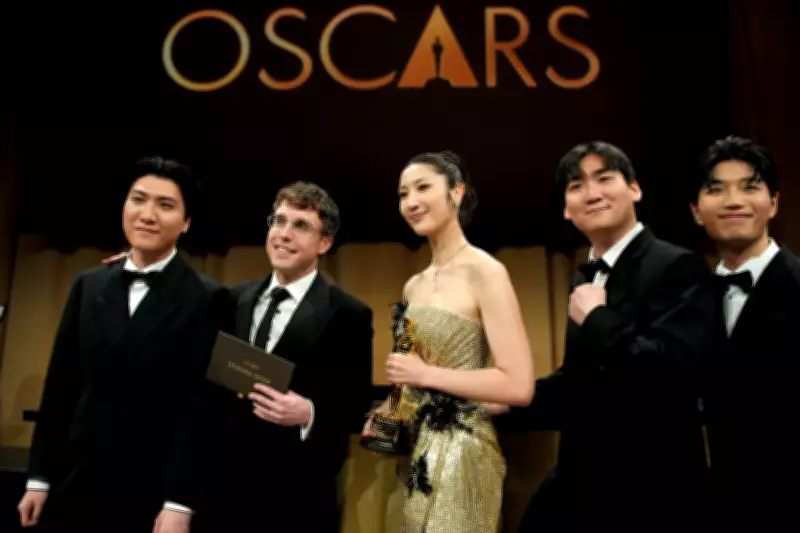
As a barometer of Hollywood's cultural relevance, award show viewership has plummeted. For example, the Oscars drew 23.6 million viewers in 2020, down from 34.4 million in 2016. Despite a post-pandemic recovery to 19.5 million in 2024, boosted by blockbusters like 'Oppenheimer' and 'Barbie,' 2025 saw a 7% drop to 18.1 million. Social media platforms like X are flooded with posts decrying "unbearably preachy stars," with users labeling Hollywood as a hub of "narcissists acting like activists." Searches for terms like "Oscars woke" reveal widespread frustration over the loss of entertainment value.
Future Implications for the Industry
Wokeism is having the opposite effect intended, driving audiences away rather than engaging them. With diversity gains reversing and economic uncertainty rising, studios may prioritize profitability over ideology, leading to more broadly appealing, escapist projects. If Hollywood fails to adapt—by reducing pulpit moments, focusing on universal stories, and rebuilding mystique—ratings could slide back toward pandemic lows. The industry's shift from sincere progressive messaging to ironic, bipartisan takes on culture wars may signal a move toward entertainment over activism, with Ricky Gervais likely having a good laugh from afar.