Indian-Origin Hollywood Actresses Confront Vicious Colorist and Classist Attacks on U.S. Social Media Platforms
The escalating wave of anti-Indian rhetoric across American social media has aggressively shifted its focus toward a new demographic: the talented actresses of Indian descent making their mark in Hollywood. While previous digital hostility predominantly targeted the broader Indian-American professional community and cultural traditions, the latest discourse has devolved into a disparaging and deeply personal assault on the physical appearances of South Asian performers on the global entertainment stage.
Viral Post Sparks Outrage with Derogatory 'Kamwali Bai' Label
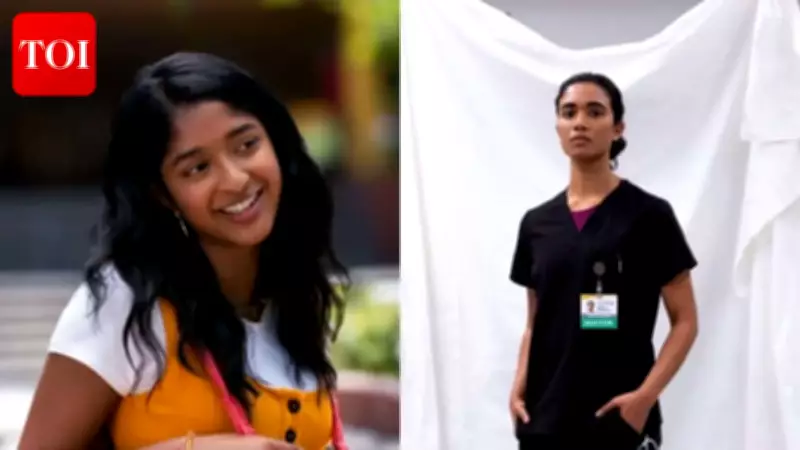
The controversy ignited following a widely circulated post on the platform X, formerly known as Twitter. The post featured images of prominent actresses Supriya Ganesh, Maitreyi Ramakrishnan, Charithra Chandran, and Shabana Azeez, crudely labeling them as the "most common faces" utilized for Indian representation in Western media. It offensively described their appearance using the term "kamwali bai phenotype," a derogatory phrase translating to "maid phenotype," which weaponizes a professional identity to insult skin tones and facial features.
"I hate Indian representation in Hollywood, they find the most chopped looking female they can and then make her the face of Indian representation," the inflammatory post added, amplifying its vitriolic tone. This language has been universally condemned as both classist and colorist, reducing accomplished artists to harmful stereotypes based on complexion and perceived socio-economic background.

Actresses and Public Respond with Forceful Condemnation
The public reaction was swift and severe. One X user pointed out the absurdity of the colorism, writing, "Colourism is so crazy because this guy genuinely wants you to believe the women are ugly." Another added, "Trying to suggest that these girls are anything less than gorgeous is crazy."
The targeted actresses themselves delivered powerful rebuttals. Supriya Ganesh, known for her role in 'The Pitt,' responded with a bold and unflinching statement: "Hey so this is supremely f***** up and I truly hope you deal with your self-hate. Colorist, classist, garbage take." She further emphasized her commitment to advocacy, stating, "And I’m always going to talk back about this shit because I’m never going to let women and folks who look like me feel bad about themselves never going to shut up."
Maitreyi Ramakrishnan, star of 'Never Have I Ever,' countered the troll with defiant sarcasm, posting, "womp womp cry harder. must be hard to look at four baddies constantly," alongside a Kermit the Frog meme. Notably, Ramakrishnan, born to Sri Lankan Tamil parents, is frequently misidentified as Indian and faces consistent online trolling. Similarly, Texas-born Indian-origin Tamilian Supriya Ganesh endures comparable targeting.
Other actresses like 'Bridgerton' star Charithra Chandran and 'The Pitt' actress Shabana Azeez, both of Indian heritage, are also regular subjects of racist and colorist criticism online. These performers have become recurring targets for critics who erroneously claim that Hollywood deliberately avoids casting "fair-skinned" or "Eurocentric" Indian archetypes, revealing a profound misunderstanding of diverse South Asian identities.
Broader Context of Rising Anti-Indian Sentiment in America
This incident is not isolated but rather emblematic of a disturbing surge in anti-Indian sentiment within the United States. A recent survey by the Carnegie Endowment for International Peace starkly described the U.S. as the "epicentre of anti-Indian digital racism." Over the past year, the Indian-American community has witnessed a troubling increase in hate incidents, ranging from toxic social media posts and calls for restrictive H-1B visa bans to physical acts like temple vandalism.
The attacks on these actresses underscore a pervasive issue where digital platforms are exploited to propagate colorism, classism, and racism against the diaspora. This environment challenges not only individual performers but also the broader narrative of Indian representation in global media, highlighting an urgent need for continued dialogue and resistance against such bigoted rhetoric.