Irish Singer Liam O'Hanna Cleared of Terrorism Charge After High Court Ruling
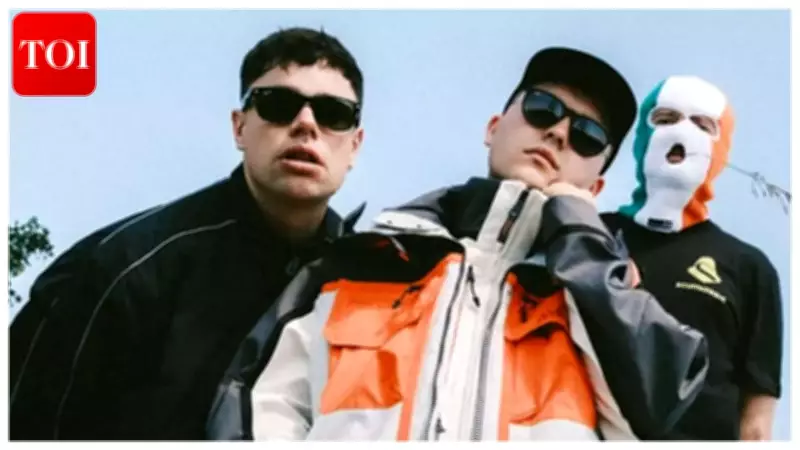
An Irish-language singer from the punk-rap group Kneecap has been definitively cleared of a terrorism charge after UK prosecutors lost a High Court challenge on Wednesday. The court upheld a magistrate's earlier decision to dismiss the case, marking a significant legal victory for the artist.
Background of the Case
Liam O'Hanna, known by his stage name Mo Chara, was charged in May last year under the UK's 2000 Terrorism Act. The charge stemmed from an incident at a November 2024 concert in London, where he allegedly displayed a flag of Hezbollah, an Iran-backed Lebanese militant group that is proscribed in the United Kingdom.
However, in September, Chief Magistrate Paul Goldspring dismissed the case, citing a technical error related to the timings of bringing the charge. The Crown Prosecution Service (CPS) appealed this decision in January, arguing that Goldspring had erred in his ruling.

High Court Decision and Legal Reasoning
On Wednesday, a two-judge panel at the High Court dismissed the CPS appeal, siding with the chief magistrate. In a detailed 13-page ruling, the judges stated, "The judge was right to hold that he had no jurisdiction," concluding that "no written charge was issued within six months" of the alleged offence.
The legal technicality centered on the timing of the charge approval. O'Hanna, whose Irish name is Liam Og O hAnnaidh, was charged on May 21—exactly six months after the concert. However, the attorney general did not approve the charge until the following day, May 22. O'Hanna's legal team successfully argued that this delay meant the charge fell outside the statutory six-month time limit, rendering it invalid.
Reactions from O'Hanna and Supporters
O'Hanna welcomed the ruling with strong words at a Belfast press conference. "Your own High Court has ruled against you," he said, directing his comments at the UK government. "The pathetic thing about this whole process is that you falsely try to label me a terrorist," he added, before accusing London of complicity in alleged crimes in the Middle East.
He was cheered by supporters at the event, joined by his Kneecap bandmates JJ O Dochartaigh (DJ Provai) and Naoise O Caireallain (Moglai Bap). Fans expressed pride and vindication. Kevin Gamble, a 44-year-old Kneecap fan, said, "This ruling again just proves that they were right all along to fight the British in the courts and once again win." Bernie Devlin, 73, added, "I'm very proud of our boys from West Belfast," while holding a Palestinian flag.
Legal and Political Implications
Darragh Mackin, a Belfast-based solicitor representing O'Hanna, called the attempted prosecution "legally laughable" and "a witch hunt." The CPS acknowledged the High Court's decision, stating it had "clarified how the law applies" to such cases and that they accept "the judgment and will update our processes accordingly."
The case arose after a video from the London concert allegedly showed O'Hanna displaying the Hezbollah flag, which he has denied. Kneecap, known for singing in Irish and leading pro-Palestinian chants, has faced international backlash over their stance. Canada barred the group last year, citing alleged support for Hezbollah and Hamas, while their Paris performance in September proceeded despite objections from French Jewish groups and officials.
Despite controversies, the band has maintained a busy schedule, performing at England's Glastonbury Festival in June and drawing packed audiences in Tokyo in January. This ruling not only clears O'Hanna legally but also underscores ongoing tensions around free expression and political activism in the entertainment industry.