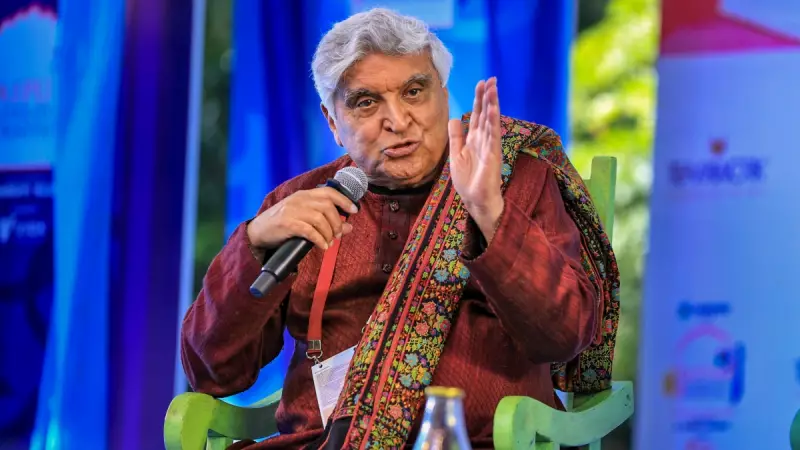
Veteran lyricist and screenwriter Javed Akhtar has found himself at the center of a disturbing AI-generated controversy. A deepfake video, which has gone viral on social media platforms, falsely depicts the celebrated poet wearing a traditional cap (topi). Akhtar has responded with strong condemnation and has indicated that legal action is likely to be initiated against the creators and disseminators of the fabricated content.
The Viral Deepfake and Akhtar's Stern Response
The manipulated video, which surfaced online recently, uses sophisticated artificial intelligence technology to superimpose a topi onto Akhtar's head in what appears to be a genuine clip. The seamless nature of the deepfake has caused confusion among netizens, leading to its widespread sharing. Reacting to the fake video, Javed Akhtar issued a clear and firm statement. He expressed his dismay at the misuse of technology to create and spread false narratives, emphasizing that such acts are not only morally wrong but also constitute a serious legal offense.
In his response, Akhtar highlighted the dangerous potential of deepfake technology to spread misinformation and damage reputations. He clarified that the video is entirely fabricated and does not represent him in any manner. The lyricist's team is currently investigating the origins of the video and is gathering evidence to pursue the matter legally. This incident, dated around the start of 2026, underscores the escalating challenge posed by synthetic media in the digital age.

Legal Ramifications and the Fight Against Synthetic Media
The threat of legal action from Javed Akhtar brings into sharp focus the existing and emerging laws concerning digital content and identity theft in India. Legal experts suggest that the creators of the deepfake could face charges under various sections of the Indian Penal Code (IPC), including those related to defamation, forgery, and cheating by personation. Additionally, provisions of the Information Technology Act, 2000, which deal with publishing or transmitting obscene or sexually explicit material in electronic form, though not a perfect fit, may also be invoked depending on the context.
More importantly, this case adds to the growing chorus of voices demanding specific legislation to tackle deepfakes and AI-generated misinformation. Public figures, cybersecurity advocates, and policymakers have repeatedly called for robust legal frameworks that can keep pace with rapidly advancing technology. Akhtar's decision to take a legal stand is seen as a significant step in holding perpetrators accountable and setting a precedent for others who may be similarly targeted.
A Growing Menace in Bollywood and Beyond
Javed Akhtar is not the first Indian celebrity to fall victim to deepfake technology. The Bollywood film industry and the wider entertainment sector have witnessed several instances where the faces of actors and public figures have been morphed into inappropriate or misleading videos. These AI-manipulated videos pose a severe threat to personal privacy and public trust.
The ease with which such convincing fake content can be created using publicly available AI tools has raised alarms globally. It highlights an urgent need for:
- Public awareness campaigns to educate internet users on identifying deepfakes.
- Stronger platform accountability for social media companies to quickly detect and remove synthetic media.
- Swift and deterrent legal consequences for those who create and share malicious deepfakes.
As Javed Akhtar prepares his legal strategy, this incident serves as a stark reminder of the dark side of technological innovation. It reinforces the critical importance of ethical AI use and the collective responsibility of citizens, tech companies, and the government to combat the scourge of digital forgery and protect individual dignity in the virtual world.