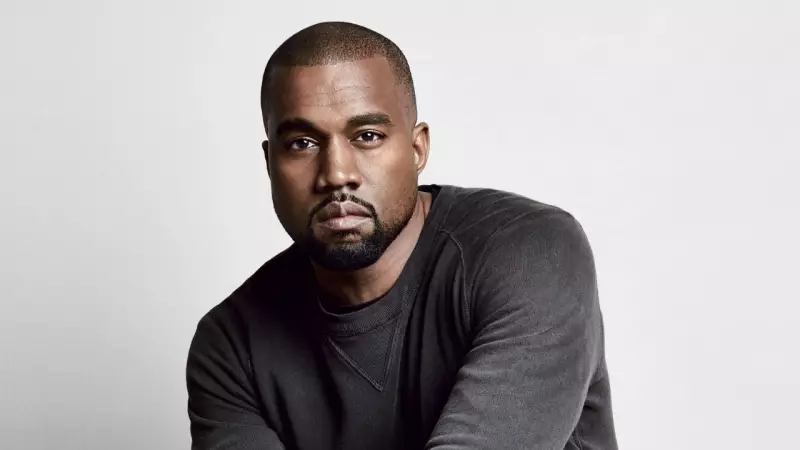
Kanye West, the globally renowned American rapper and producer who now goes by the name Ye, has found himself embroiled in one of the most prolonged and contentious controversies in modern pop culture and digital media. After years of posting inflammatory and offensive content targeting Jewish communities, he has finally issued a public apology, partially attributing his actions to an old brain injury. However, the widespread outrage over his statements continues to simmer.
The Genesis of the Controversy
The uproar began in early 2022 when Ye initiated a series of highly offensive posts on the social media platform X, formerly known as Twitter. Among the most widely condemned was a tweet where he declared he was "going death con 3 On JEWISH PEOPLE," a phrase that referenced the US military's alert system and was perceived as a direct threat. This post triggered an immense backlash, particularly given Ye's status as one of the world's most-streamed musical artists.
Repeated Violations and Platform Suspensions
During this period, his X account faced multiple suspensions due to violations of the platform's policies against incitement and hate speech. Ye's online behavior escalated further as he shared images that combined a swastika with the Star of David and, at times, expressed praise for historical figures like Adolf Hitler. These actions not only violated community guidelines but also sparked global condemnation.

Consequences and Fallout
Ye's remarks extended beyond isolated posts; he frequently blamed "Jewish media" for various grievances and openly identified as a Nazi, describing Hitler as "fresh." This led to a significant exodus of loyal fans who chose to unfollow him. The commercial impact was severe, with major corporations such as Adidas, Gap, and Balenciaga cutting ties and terminating lucrative business partnerships. His fashion brand, Yeezy, was removed from several online retail platforms due to the offensive imagery and statements associated with its merchandise.
A Formal Apology in Print
After years of sustained controversy, Ye has taken a significant step by purchasing a full-page advertisement in the Wall Street Journal, addressed to "Those I Hurt." In this statement, he offered a heartfelt apology for his past actions. He acknowledged that he had "lost touch with reality" during episodes of erratic and offensive behavior, linking much of it to a previously undiagnosed frontal-lobe brain injury sustained in a 2002 car accident. Ye also cited his later diagnosis of bipolar disorder as a contributing factor to his conduct.
Seeking Forgiveness and Accountability
In his apology, Ye expressed a desire for forgiveness and understanding, asserting that he no longer wishes to cause pain and is committed to ongoing treatment and personal accountability. He firmly denied being a Nazi or an antisemite, stating, "I am not a Nazi or an antisemite. I love Jewish people," and expressed deep regret for the hurt inflicted upon Jewish and Black communities.
Previous Apologies and Public Skepticism
This is not Ye's first attempt at reconciliation. In late 2023, he posted a message in Hebrew on Instagram, apologizing to the Jewish community and committing to learning and promoting unity. Despite these efforts, the public response has been largely skeptical. Netizens and critics alike have questioned the sincerity of his apologies, especially given the severity and repetitive nature of his earlier posts, which persisted despite facing consistent backlash.
The controversy surrounding Kanye West underscores the complex interplay between celebrity influence, mental health, and social responsibility in the digital age. While his recent apology marks a pivotal moment, it remains to be seen whether it will be enough to mend the deep fractures caused by his words and actions.