Former Bachelorette Katie Thurston Shares Mother's Breast Cancer Diagnosis
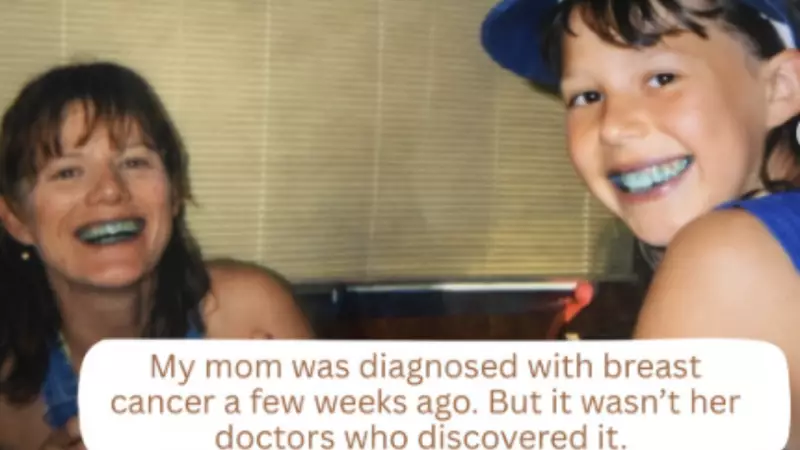
Katie Thurston, who led season 17 of The Bachelorette, recently posted heartbreaking news on Instagram. Her mother received a breast cancer diagnosis. This comes almost exactly one year after Thurston herself faced the same disease at age 34.
Katie Thurston's Personal Cancer Journey
Thurston first noticed a small, tender mass in her breast in early 2024. She described the pain lasting for three or four months in a February Instagram Story. Initially, she dismissed it as hormonal changes or exercise soreness, advice many women receive.
However, Thurston pushed for further testing. She underwent an ultrasound and a biopsy. In February 2025, doctors diagnosed her with stage 3 triple-positive ductal carcinoma. Treatment started quickly with chemotherapy to shrink the tumor before surgery.

The diagnosis dramatically changed her life plans with then-fiancé Jeff Arcuri. "We thought we'd be planning a wedding. We thought we'd be trying for a baby," Thurston told ABC News' Eva Pilgrim. "And instead, we know that this year is really dedicated to just treatment and getting better."
Mother's Diagnosis Adds Emotional Weight
Thurston's poignant Instagram post revealed her mother's diagnosis nearly a year to the day after her own. The timing felt particularly heavy. Thurston has been open about her battle, including how the cancer progressed to stage 4 after spots appeared on her liver.
She emphasized the importance of family support during this shared fight. Thurston also draws strength from connecting with other survivors online. Her updates often credit social media connections with other young patients. These interactions helped combat the isolation she described as the "hardest part" in an interview clip shared by People magazine.
Thurston's Message on Breast Health
Katie Thurston now urges women to be proactive about breast health. "You need to know how your breasts normally feel," she advised followers after discovering her own lump. Her experience—from initial denial to determined advocacy—has inspired many others battling early-onset conditions without family history.
The dual diagnoses within her family underscore the emotional toll cancer takes. Thurston's story highlights the critical need for awareness, early detection, and strong support networks during such challenging times.