Kerala Story 2: Creativity Weaponized Against Communal Harmony
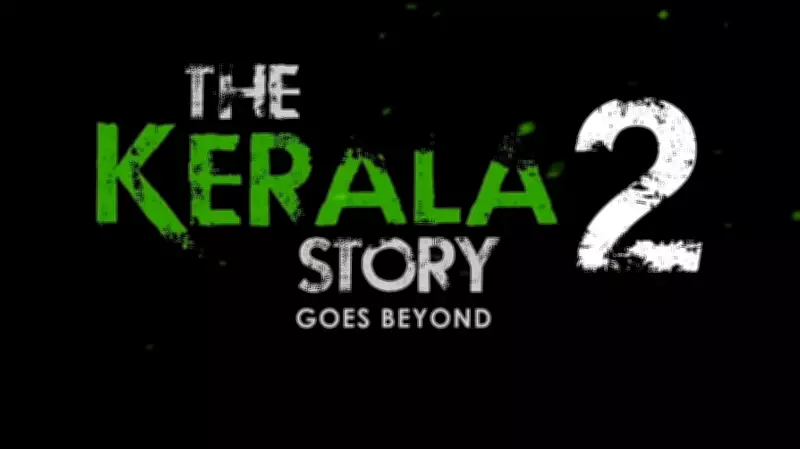
In a troubling development for Indian cinema, the sequel to the controversial film Kerala Story has sparked intense debate about the role of art in society. When films deliberately trade truth for propaganda, they do not merely distort reality; they actively fracture the very fabric of communal harmony. This phenomenon raises critical questions about the ethical responsibilities of filmmakers and the broader impact on social cohesion.
The Dangerous Trade-Off: Propaganda Over Truth
The original Kerala Story faced significant criticism for its alleged misrepresentation of facts and sensationalized narrative. Now, with Kerala Story 2, concerns have escalated as the film appears to double down on divisive themes. By prioritizing a propagandistic agenda over authentic storytelling, such productions risk normalizing falsehoods and deepening existing societal divides. This approach not only undermines the credibility of cinema as an art form but also exploits creative platforms to spread harmful narratives.
Impact on Societal Cohesion
The consequences of weaponizing creativity are profound and far-reaching. Films like Kerala Story 2 can:

- Polarize Communities: By presenting skewed perspectives, they fuel mistrust and hostility between different religious and social groups.
- Erode Public Discourse: When entertainment becomes a vehicle for propaganda, it diminishes the space for reasoned debate and factual discussion.
- Damage Social Fabric: The long-term effects include increased communal tensions and a weakened sense of national unity.
These impacts highlight the urgent need for a more responsible approach to filmmaking, one that balances artistic expression with social responsibility.
The Role of Filmmakers and Audiences
In this context, filmmakers bear a significant burden. While creativity should be celebrated, it must not come at the cost of truth and harmony. Audiences, too, play a crucial role by critically engaging with media and rejecting content that promotes division. The controversy surrounding Kerala Story 2 serves as a stark reminder that art has the power to both heal and harm, making ethical considerations paramount.
As debates continue, the broader lesson is clear: when cinema abandons its commitment to truth, it risks becoming a tool for societal fracture rather than a force for unity. The case of Kerala Story 2 underscores the importance of vigilance and accountability in the creative industries to preserve communal harmony in a diverse nation like India.