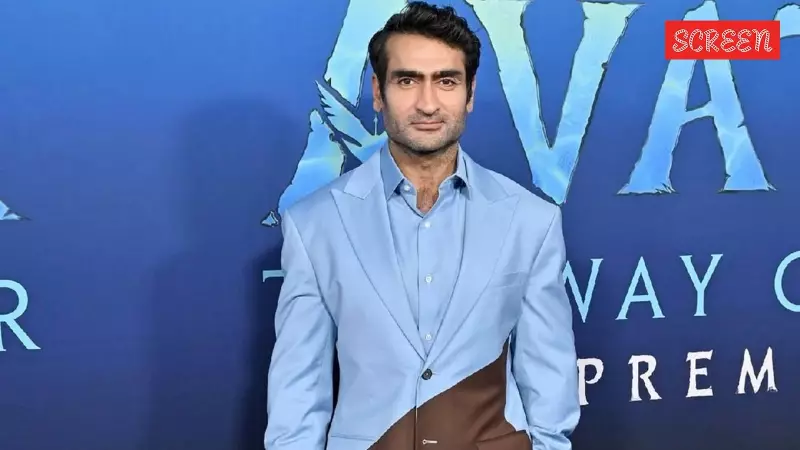
Hollywood actor Kumail Nanjiani, who grew up in Pakistan, has shared a nostalgic yet somber reflection on the changing dynamics between India and Pakistan, particularly through the lens of cricket and cinema. In a recent conversation with fellow comedian Hasan Minhaj on his YouTube channel, Nanjiani highlighted a significant shift from a sense of shared "brotherhood" to one marked by divisive nationalism.
The Lost Camaraderie of Cricket Matches
Nanjiani reminisced about a time when an India-Pakistan cricket match was a global spectacle defined not by hatred, but by mutual respect and a celebration of commonalities. He emphasized that both nations were among the world's best teams, whereas now he perceives India as the dominant force while Pakistan struggles. The core of his memory, however, lies in the unique atmosphere those contests created.
"The big thing about the India-Pakistan matches was that our countries did not get along but the people did," Nanjiani stated. He described a powerful feeling of unity, where spectators felt the similarities in culture, language, and shared heritage rather than the political differences. This "brotherhood vibe," as he called it, appears to have faded in the current era.

He clarified to Hasan Minhaj, whose family is from India, that the rivalry was never rooted in animosity between the players. "It was not hatred. There was real respect. Those players respected each other and were friends with each other," Nanjiani recalled, contrasting it sharply with a recent incident where Indian players refused to shake hands with the Pakistani team after a match in September. He labeled this development "a shame," noting that sports should be a platform to set aside conflicts.
Nationalism in Bollywood and Pakistani Cinema
Extending his observations beyond the cricket pitch, Nanjiani pointed to a parallel trend in the film industries of both nations. He cited classic Hindi films like Amar Akbar Anthony, which portrayed a Hindu, a Muslim, and a Christian as brothers, symbolizing secular unity. He noted that such positive representation of Muslim characters as "good guys" has dwindled.
"I feel like now, in Bollywood, and even in Pakistani movies, there seems to be a lot of antagonism and animosity and nationalism in a way that, I think, isn't helpful," the Eternals star expressed. This marks a departure from the long-held narrative that the people of India and Pakistan are alike, with only the governments at odds. Nanjiani fears this public sentiment itself has now changed for the worse.
Power Imbalance and Personal Fear
The actor also touched upon the contemporary geopolitical reality, acknowledging the significant power disparity between the two neighbors. "India is so much more powerful than Pakistan in terms of… economically, cultural impact and all that stuff," he said, adding that India is thriving while Pakistan faces substantial challenges.
This imbalance added to his personal anxiety during periods of heightened bilateral tension earlier this year. Nanjiani revealed he was in late-night contact with family members in Karachi as the situation escalated. The experience filled him with "incredible sadness" and "fear," stemming from a sense that no positive progress was being made in the relationship.
Through his personal journey from Karachi to Hollywood, Kumail Nanjiani's reflections offer a poignant critique of how rising nationalism is reshaping historic cultural connections. His comments underscore a longing for the era when cricket and cinema served as bridges, highlighting the human cost of entrenched political and social divisions.