Meryl Streep Recalls 'The Devil Wears Prada' Being Dismissed as a 'Chick Flick' and Facing Budget Constraints
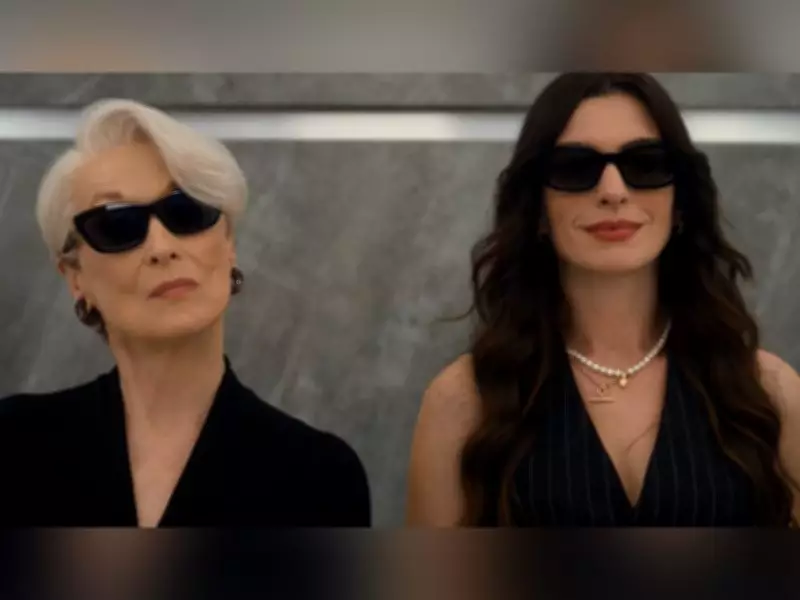
In a recent revelation, legendary actress Meryl Streep shared insights into the early challenges faced by the iconic film The Devil Wears Prada. Streep disclosed that the movie was initially categorized as a 'chick flick' by industry insiders, a label that often carries dismissive connotations and can impact funding and production decisions. This classification, she noted, contributed to significant budget issues during the film's development phase.
Budget Struggles and Production Hurdles
Streep elaborated on the financial constraints that plagued the project, highlighting how the perception of the film as a lightweight, female-centric story led to limited studio support. Despite its eventual critical and commercial success, the production team had to navigate tight budgets, which affected various aspects of filming, from set design to costume allocations. This revelation sheds light on the broader challenges faced by films targeting female audiences in Hollywood, where such projects are often undervalued in terms of investment.
Impact on Cast and Creative Vision
The budget issues forced the filmmakers to make creative compromises, but Streep emphasized that the cast and crew remained dedicated to delivering a high-quality product. She praised the collaborative effort that allowed the film to overcome these obstacles, resulting in a cult classic that has endured in popular culture. The movie, which features Streep in her Oscar-nominated role as Miranda Priestly, went on to gross over $300 million worldwide, proving the initial skepticism wrong.

Broader Implications for the Film Industry
Streep's comments underscore ongoing issues in the entertainment industry regarding gender bias and funding disparities. By recalling how The Devil Wears Prada was marginalized as a 'chick flick,' she highlights the need for more equitable treatment of stories centered on women. This discussion comes at a time when there is increasing advocacy for diverse representation and fair resource allocation in filmmaking.
In summary, Meryl Streep's reflections offer a behind-the-scenes look at the hurdles faced by one of her most memorable films, serving as a reminder of the resilience required to bring compelling stories to the screen despite industry prejudices.