Record-Breaking Oscar Nominations for 'Sinners' Highlight Evolving Film Industry Dynamics
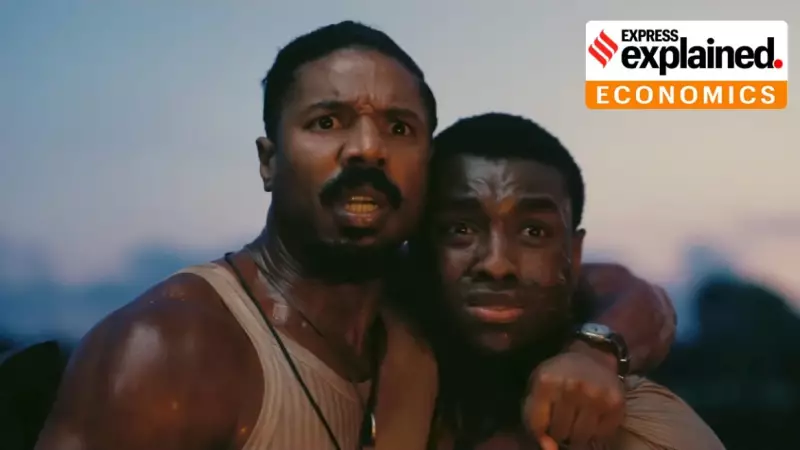
The recent unveiling of Oscar nominations delivered several unexpected developments, but none more striking than the unprecedented success of Ryan Coogler's vampire-horror film Sinners. Starring Michael B. Jordan, the film secured a remarkable 16 nominations, surpassing the previous joint record of 14 nominations held by cinematic landmarks La La Land, Titanic, and All About Eve.
A Groundbreaking Ownership Agreement in Hollywood
Beyond its Oscar achievement, Sinners has generated significant attention in Hollywood trade circles for its innovative ownership structure. Director Ryan Coogler negotiated a landmark deal with Warner Bros. that will see the film's copyright ownership revert to him after 25 years. This arrangement represents a dramatic departure from traditional studio practices where production companies typically retain permanent rights.
This ownership model could establish a new precedent in the film industry, potentially enabling creators to benefit financially from their work in perpetuity rather than surrendering all rights to studios. While such agreements remain exceptionally rare, the Sinners deal signals a potential shift in how creative professionals approach copyright negotiations.

Streaming's Transformative Impact on Film Economics
The driving force behind this evolving landscape is the fundamental transformation brought about by streaming platforms. Films are no longer finite theatrical products with limited commercial lifespans but have become evergreen revenue-generating assets that continue to generate income long after their initial release.
This phenomenon represents a complete reimagining of a film's lifecycle:
- Extended revenue streams through multiple licensing agreements across territories
- Continued cultural relevance and audience discovery decades after initial release
- Hybrid distribution models combining theatrical and streaming releases
- Enhanced streaming performance for films that first experience theatrical runs
While the concept of films generating post-theatrical revenue isn't new—evident during the DVD era with cult classics like Napoleon Dynamite and Fight Club—streaming has amplified this effect exponentially, creating what amounts to a second life for cinematic works.
Industry Conflicts and Compensation Complexities
The streaming revolution has also introduced new tensions within the film industry, particularly regarding compensation structures. The most prominent example occurred in July 2021 when actress Scarlett Johansson sued Disney over the simultaneous release of Black Widow in theaters and on Disney+ Premier Access.
Johansson's compensation was heavily dependent on box office performance through backend bonuses, and she claimed the hybrid release model breached her contractual guarantee of an exclusive theatrical window. This dispute highlighted how traditional compensation models often conflict with evolving distribution strategies.
Similar concerns emerged with Emma Stone's Cruella, though she opted for private negotiations rather than public litigation. Meanwhile, Warner Bros. faced severe criticism from filmmakers including Christopher Nolan when it announced its entire 2021 film slate would receive simultaneous theatrical and HBO Max releases without consulting creative partners.
A Changing Power Dynamic in Film Production
Warner Bros.' agreement with Coogler represents a significant reversal from their 2017 stance when they refused similar terms to director Quentin Tarantino for Once Upon a Time in Hollywood, ultimately losing that project to Sony. Sony subsequently agreed to return copyright ownership to Tarantino after 10-30 years, establishing an early precedent for creator-friendly agreements.

While Coogler has stated personal reasons for seeking copyright ownership—citing the film's inspiration from his family history—industry analysts recognize broader economic factors at play. The streaming era's skewed economics have empowered directors and actors to demand greater shares of the revenue pie, challenging the traditional model where studios maintained near-total control over film rights.
As films transform from transient theatrical experiences into enduring digital assets, the balance of power in Hollywood continues to evolve, with Sinners serving as both an artistic achievement and a potential harbinger of industry-wide changes in copyright ownership and creator compensation.