Imagine driving to a cinema, settling into your seat with popcorn in hand, only to be told the film you booked is not playing. This happened to me recently. I had a ticket for Mani Ratnam's Tamil gangster drama Thug Life, co-written with Kamal Haasan. The theatre changed the show without informing me, citing "unavoidable technical issues." The manager apologized, noting I was the only person in the auditorium. This experience highlights a bigger issue in Indian cinema today.
The Rise and Fall of Pan-India Cinema
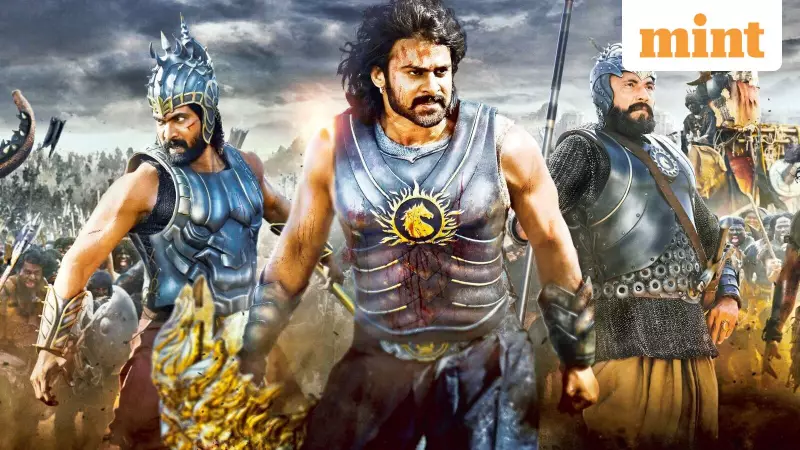
Director S.S. Rajamouli's Baahubali series started the pan-India trend a decade ago. It opened doors for southern films in the Hindi belt. These movies feature grand action, visual effects, and dramatic storytelling. They filled a gap left by Bollywood's shift toward niche social dramas post-2010.
Success Stories and Many Failures
Films like Pushpa 2: The Rule and KGF Chapter 2 drew packed theatres. However, true successes are rare. Too many filmmakers now rush to release dubbed Hindi versions without proper appeal. Experts say intention does not match design. Not all southern stars attract North Indian audiences. Only figures like Rajamouli, with hits like RRR, have widespread recognition in tier-II and tier-III towns.

Movies such as Pushpa and KGF work because they stick to commercial templates. Their heroes carry enough swag to resonate in small towns. Kantara, a 2022 Kannada film, succeeded in Hindi markets due to strong writing and smart marketing. It felt universal, not like an afterthought.
The Problem with Forced Dubs
Many recent Tamil, Telugu, or Malayalam films retain a distinctly South Indian tone. For example, Mirai, a fantasy superhero flick, feels like a simple dub. It lacks adaptation for northern sensibilities. This approach alienates audiences who expect more than just translated dialogue.
Learning from Southern Successes
Southern industries offer valuable lessons. In 2024, small- and mid-budget films kept business alive while big-star vehicles flopped. Movies like Tourist Family, Dragon, and Alappuzha Gymkhana focused on local audiences. They did not aim for pan-India glory. Limited marketing and unfamiliar faces did not deter viewers.
This shift has created new regional stars. Actors such as Naslen, Mamitha Baiju, and Sajin Gopu are building fan bases. Pradeep Ranganathan, Manikandan, and Teja Sajja also gain popularity. Notably, none of these films were dubbed in Hindi or marketed aggressively in the North.
The Ticket Price Dilemma
Affordable tickets in southern theatres encourage risk-taking. Viewers try lesser-known titles instead of waiting for blockbusters. In the Hindi-speaking belt, southern films cost as much as Bollywood movies. Paying ₹500 for a ticket plus ₹900 for snacks feels like a rip-off. High prices increase audience expectations, leading to disappointment when films fail to deliver.
Last week, I watched The Raja Saab, Prabhas's lengthy horror-fantasy saga. Walking out, a fellow viewer captured the sentiment perfectly. He said, "Bhai, dimaag kharab karne ka paisa khud de diya." This translates to paying for one's own ordeal. It sums up the current state of many pan-India releases.
The promise of pan-India cinema is fading. Forced dubs and high prices drive audiences away. Filmmakers must focus on strengths and authentic storytelling. The southern model of local focus and reasonable pricing offers a better path forward.