Archana Puran Singh and Parmeet Sethi Reveal Turbulent Early Parenthood Journey
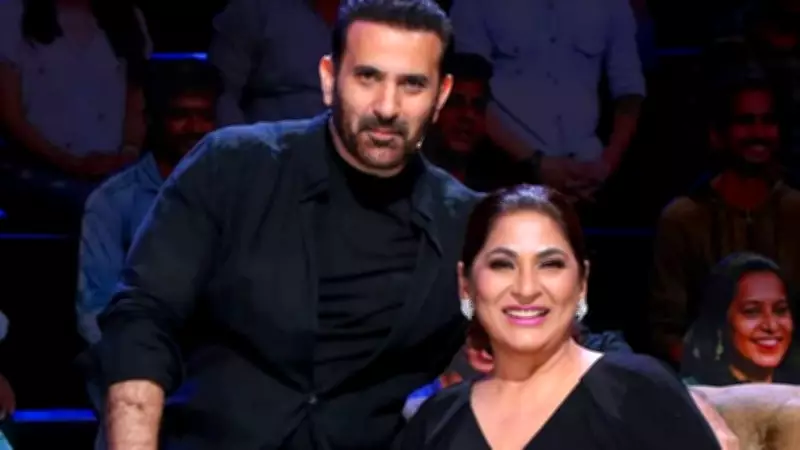
Bollywood couple Archana Puran Singh and Parmeet Sethi have candidly shared the struggles they faced in the initial years of parenthood, with Parmeet admitting he was an "absent, bad father" and Archana recalling how she felt "alone" and "fragile" while raising their children. The couple, who secretly tied the knot in 1992, welcomed their first son Aaryamann in 1994, but this period marked a challenging phase in their marriage.
Parmeet Sethi's Admission of Being an 'Absent Father'
In a recent vlog on Archana's YouTube channel, Parmeet Sethi openly confessed to his shortcomings as a father during the early years. He stated, "I was a very bad father and was absent for the first few years of Aaryamann's life." Parmeet revealed that until the birth of their second son, Ayushmaan, he interacted with Aaryamann only in what he described as "guest appearances." He acknowledged that both pregnancies were unplanned, though Archana expressed her desire for a second child.
Archana, who had her first child at 36 and the second at 39—ages she noted were "very old for a mother"—highlighted Parmeet's lack of involvement. She questioned him during the vlog, "How did your life change? Because for the first few years you were absent." Parmeet admitted he had no idea how profoundly his life would shift after becoming a parent.

Archana Puran Singh's Feelings of Isolation and Weakness
Archana Puran Singh recounted the emotional and physical toll of early motherhood, emphasizing that Parmeet was largely missing during this critical time. She shared, "I was so weak during that time and you were missing." Archana described waking up at least six times nightly to feed and check on the baby, feeling overwhelmed and unsupported. She wondered why Parmeet wasn't sharing the load, to which he responded, "What can I do? I can't feed the baby."
Parmeet later confessed, "I didn't help you. At least for the first 3 years of Aaryamann's life, I didn't help you at all. I just changed his nappy a couple of times." Both admitted to being unaware of postpartum issues, with Archana noting, "I felt I was alone. I was powering through everything but I was so fragile then."
Turning Point and Marital Strains
Parmeet Sethi explained that he began to step up as a father when Archana became pregnant with their second child. He observed that attention towards Aaryamann was diminishing and realized, "He will not get as much attention, and I decided that I will take him under my wing." This marked the start of him spending quality time with his son and embracing fatherhood more fully.
However, the couple faced significant marital tensions during this period. Archana recalled an incident on their anniversary when she was too exhausted from childcare to go out for dinner, leading to Parmeet's anger. Parmeet pointed out that Archana often refused to go out with him, prioritizing the children over their relationship. He said, "I understand that you wanted to be with the kids but does the husband also exist or not?" He described it as a "balancing act" that Archana didn't manage, leading to "a very touch and go situation between us."
Clashing Perspectives on Parenthood and Marriage
The couple's differing views on responsibilities came to the forefront during their conversation. Archana argued that Parmeet failed to understand the demands of motherhood, stating, "You didn't know what all a mother has to do." In response, Parmeet questioned, "What about wifehood? You didn't understand wifehood."
Archana maintained that being a mother was her primary responsibility at the time, even if it meant neglecting wifehood duties. She acknowledged Parmeet's hurt but emphasized her commitment to parenting. This candid discussion sheds light on the common challenges many couples face when navigating parenthood and marriage, highlighting themes of support, communication, and adaptation.
Archana Puran Singh and Parmeet Sethi's revelations offer a raw and relatable glimpse into the complexities of family life in the public eye, underscoring the importance of shared responsibilities and emotional connection in sustaining relationships.