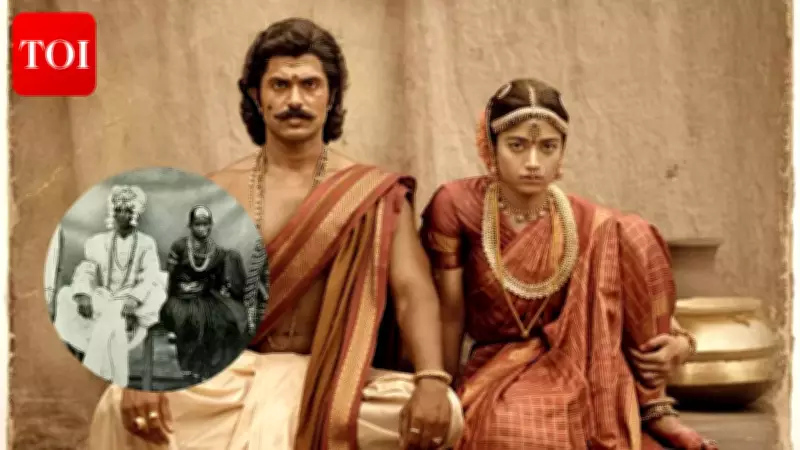
Ranabaali: A Cinematic Journey into India's Forgotten Famine Tragedy
The highly anticipated historical drama Ranabaali is poised to deliver a powerful and emotional portrayal of one of India's most devastating historical chapters. Starring acclaimed actors Vijay Deverakonda and Rashmika Mandanna, the film meticulously examines the catastrophic impact of the Great Indian Famine of 1876–1878, a period that remains etched in the nation's collective memory for its immense human suffering.
The Historical Context: A Nation in Distress
The central narrative of Ranabaali is deeply intertwined with the famine that ravaged extensive regions of southern India between 1876 and 1878. This tragedy unfolded under British colonial administration, and historical archives indicate that over 10 million people perished due to starvation and related diseases during this harrowing period. The film's storyline is particularly focused on the Rayalaseema region of present-day Andhra Pradesh, where agricultural collapse and severe drought conditions left countless communities without sustenance.
What exacerbated the crisis were the policies enforced by the British Raj. Despite widespread famine and desperation, grain exports from India to other parts of the empire continued unabated. Furthermore, the colonial authorities established famine relief camps that provided food rations reportedly far below the minimum daily requirements. Historical estimates suggest that more than 700,000 individuals died in the Rayalaseema region alone, highlighting the scale of the catastrophe.

Stories of Resistance and Human Resilience
While Ranabaali unflinchingly depicts the grim realities of the famine, it also shines a light on extraordinary tales of courage and defiance. Vijay Deverakonda's character is inspired by a genuine historical figure who actively resisted British colonial rule during this tumultuous era. According to the film's narrative, several individuals stood up against the authorities, actions that were often criminalized by British officials but are celebrated in regional folklore as acts of immense bravery and resistance.
Beyond the political struggle, the movie is expected to delve into the emotional and psychological battles faced by ordinary citizens fighting for survival and dignity under extreme duress. This dual focus ensures that Ranabaali is not just a historical account but a deeply human story.
Behind the Scenes: The Director's Vision
Director Rahul Sankrityan recently shared fascinating insights into the film's creative process, particularly regarding the viral wedding poster. On social media platform X, he revealed that the image was never originally conceived as a promotional poster but rather captured an authentic moment on set.
"I've always been fascinated by old photographs — our parents, grandparents… the way they stood before a camera. No posing. No rehearsed smiles. No anxiety about how it would look. Just truth. Just presence," Sankrityan explained. He described the transformative moment when Vijay and Rashmika arrived in wedding attire: "They didn't look like actors playing dress-up. They looked like they had travelled through time." The director emphasized that this sense of timelessness and nostalgia forms a core pillar of Ranabaali.
Cast Reactions and Anticipation
Vijay Deverakonda responded emotionally to the director's post, expressing his deep connection to the project. He wrote, "Made me emotional… And your immense attention to real details and the people has excited and motivated me immensely." Deverakonda further affirmed his commitment, stating, "This is a story from our lands and me and Rashmika are all in with you on this great journey to make great cinema."
Scheduled for theatrical release on September 11, Ranabaali has already generated substantial buzz among fans and cinephiles, promising to be a significant cinematic exploration of a pivotal yet often overlooked chapter in Indian history.